

Imagine stepping into morning light with vibrant, rested skin—the kind that quietly signals vitality, resilience, and poise. Just as easily, a night of restless tossing and illuminated screens can greet you with lackluster tone, creased eyes, and puffy contours. How sleep affects skin is not a passing notion in beauty folklore; it is an intricate, evidence-based reality guiding modern beauty and wellness rituals. Unlocking the secret to healthy skin may be as close as your pillow—if you understand and honor the profound interplay between quality sleep and your complexion.
The Hidden Link: How Sleep Affects Skin and Modern Beauty Rituals
- Picture yourself awakening with luminous, composed skin—or with tired eyes and shadows. In this section, discover how sleep seamlessly intertwines with daily beauty discipline, shaping your facial canvas with the patterns of night and rest.
For those who pursue healthy skin, understanding the role of sleep is no longer optional—it's foundational. While topical serums and perfectly curated skincare regimens command the evening spotlight, few rituals rival the understated power of deep, restorative sleep. Each night, your skin orchestrates complex responses to recover from daily stress and environmental exposure. High-quality sleep is when cellular renewal peaks, the barrier function is restored, and skin health rebounds from a day of micro-injuries and oxidation. This nightly healing shapes your morning reflection just as much as any cream or essence on your vanity.
Conversely, poor sleep sabotages your complexion from within. Without sufficient or consistent rest, skin displays visible reminders: dull tone, rough texture, evident dark circles, and more persistent lines. Even the most advanced cosmetic products struggle to compensate for the absence of this overnight repair. To achieve true radiance, weaving quality sleep into your modern beauty discipline isn't an indulgence—it's an essential, measurable investment in your long-term glow.

What You'll Learn in How Sleep Affects Skin
- The scientific link between sleep and skin health
- Key mechanisms of beauty sleep and skin repair
- Common mistakes that undermine healthy skin
- Practical guidance to elevate your sleep quality for radiant results
Why Sleep Matters: Science and Foundations Behind How Sleep Affects Skin
The value of sleep reaches far beyond rest—it is the silent architect of healthy skin and beauty sleep. Scientific research suggests that the condition and vibrancy of our skin is wholly influenced by the duration, depth, and patterns of sleep we experience. Nightly rest is not simply about closing your eyes; it is about granting your body and skin sufficient time to engage in repair, rejuvenation, and defense. Skin cell turnover accelerates, blood flow increases, and the immune system quietly supports the skin’s nightly recovery from inflammation and environmental pressure.
The connection between sleep quality and skin health is orchestrated by the circadian rhythm—your internal clock. This finely tuned cycle synchronizes hormonal, cellular, and behavioral patterns to the rhythms of night and day. When this biological tempo is respected, the skin barrier becomes stronger, hydration is replenished, and visible signs of premature aging are minimized. Disruption, whether due to sleep deprivation, late-night screens, or stress, sets off a cascade effect: the skin's natural barrier weakens, transepidermal water loss rises, and irritants are more likely to penetrate, compromising your glow.
Understanding the Biology: Sleep Quality, Circadian Rhythm, and Skin Health
- Overview of skin’s nightly renewal process
- How circadian rhythm regulates repair and barrier function
At the heart of how sleep affects skin is the fascinating interplay between circadian rhythm and the skin's repair agenda. During the night, the skin embarks on an intensive restorative protocol: old cells are shed, new cells surface, and DNA damage accumulated throughout the day is addressed. The circadian clock controls critical skin functions—including barrier function, cellular growth, and oil production—ensuring that nighttime becomes a sanctuary for renewal, not just rest. Elevated nighttime blood flow brings nutrients for collagen synthesis and hydration, directly supporting the integrity and suppleness associated with healthy skin.
When sleep loss or erratic schedules disrupt this natural cycle, the repair process is compromised. Studies confirm that even one night of poor sleep diminishes the skin’s capacity to retain moisture and limits its ability to repair micro-tears and environmental insults. Inconsistent sleep patterns can elevate levels of the hormone cortisol, intensifying inflammation and making the skin vulnerable to flare-ups, transepidermal water loss, and sensitivity. The consequences are both visible and cumulative, underscoring the importance of synchronizing sleep routines with your body’s clock.

The Principle of Beauty Sleep: What Changes Overnight
- How ‘beauty sleep’ influences cellular turnover and hydration
The phrase “beauty sleep” is scientifically justified. Overnight, the skin’s renewal accelerates: cell division rates double, antioxidant defenses heighten, and moisture is locked in through improved barrier function. These processes are most effective during the deepest stages of sleep, when the body is unburdened by external threats and daily stress. Hydration is preserved, the skin's lipid barrier is reconstructed, and skin cell longevity is promoted. All of this orchestrates the fresh, even glow that follows a restful night—and the taut, resilient structure that underpins timeless beauty.
Forgo quality sleep, however, and these restorative systems falter. Cellular turnover slows, leading to a duller complexion and delayed recovery from sun exposure, pollution, and irritation. Water loss through the skin increases, causing dryness and accentuating the appearance of fine lines. Incorporating quality sleep as a pillar of your beauty strategy is not mere advice—it is a profound reset for your skin, immune system, and overall vitality, one that renders expensive topical treatments more efficacious and your radiance more enduring.
Physical Signs: How Sleep Affects Skin Health and Appearance
The mirror reveals how sleep affects skin with greater candor than any monitor or laboratory test. The consequences of sleep deprivation and poor sleep emerge quickly—sometimes overnight—while the benefits of consistent, deep sleep are equally apparent. Embrace the opportunity to read the story your skin tells each morning, and recognize the visible signals that guide your skincare and wellness priorities.
The Immediate Impact: How Sleep Deprivation and Poor Sleep Show Up on Skin
- Loss of luminosity, dullness, and rough texture
- Dark circles and puffiness: key signals
Miss a night of adequate sleep, and the evidence is written across your face. Dullness, coarser texture, and a lack of vibrancy signal that the overnight restoration process was hindered. Dark circles and puffiness are hallmark signs of sleep loss, as compromised blood flow and lymphatic drainage pool beneath the delicate under-eye area. These shadows and bags can amplify the appearance of fatigue and even add years to your look, regardless of age or genetics.
Beyond the surface, dehydration emerges as a subtle but pervasive adversary. Hydrating factors are depleted, while increased inflammation renders the skin more sensitive and prone to redness. Micro-tears and irritation linger longer without the full reparative benefits of deep sleep, making it difficult for even the most effective skincare regimens to revive the visage. In contrast, the morning after quality sleep greets you with translucence, balanced oil production, and a softness that hints at well-orchestrated repair.
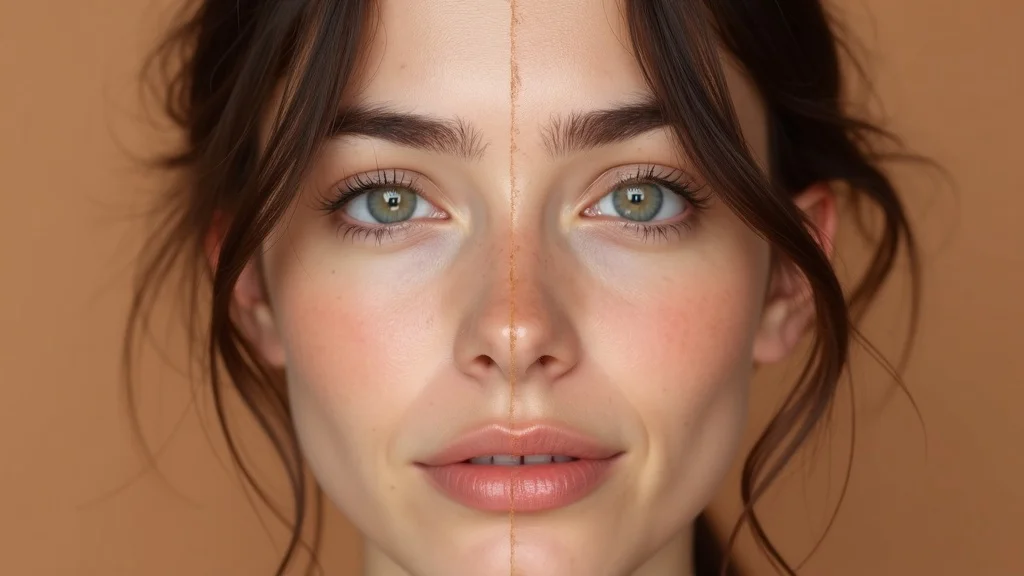
Long-Term Effects: Chronic Lack of Sleep and Accelerated Skin Aging
- Wrinkles, loss of elasticity, uneven tone
- Impaired recovery from inflammation and environmental damage
When sleep deprivation or disrupted sleep becomes a habit, the skin’s capacity for self-renewal falters over time. Chronic lack of sleep impairs collagen production, hastening the appearance of wrinkles and slackening the skin’s natural firmness. Gradually, the skin loses elasticity, and discoloration or uneven tone takes root as recovery from inflammation, UV damage, and oxidative stress is repeatedly compromised.
Researchers have also observed that individuals experiencing persistent poor sleep are more likely to display visible signs of accelerated aging—including fine lines, blotchiness, and slower recovery from acne or dermatitis. The skin's barrier function also weakens, increasing susceptibility to allergenic and irritant triggers. Over months and years, beauty sleep takes on a new meaning—not just as a fleeting indulgence, but as a strategic investment in skin resilience and visible radiance. Prioritizing consistent, restorative sleep is an act of care that shapes the best possible “canvas” for every other aspect of wellness and beauty.
Key Table: Sleep Quality and Visible Skin Changes
| Skin Attribute | Good Sleep | Poor Sleep |
|---|---|---|
| Glow/Luminosity | Bright, even, translucent with natural vitality | Dull, patchy, and sallow tone |
| Texture | Smooth, well-hydrated, refined pores | Rough, dry, and uneven with larger pores |
| Dark Circles/Puffiness | Minimized, refreshed under-eye area | Prominent, shadowed, or swollen eyes |
| Fine Lines/Wrinkles | Less visible, skin appears taut | Increased lines and loss of elasticity |
| Barrier Function | Strong, resilient, retains moisture | Compromised, prone to redness, transepidermal water loss |
Inside the Process: Circadian Rhythm, Sleep Deprivation, and Beauty Sleep Mechanisms
For anyone seeking a deeper understanding of how sleep affects skin, it is essential to appreciate the sophisticated choreography governing the skin’s nightly transformation. At the core: circadian rhythm, which orchestrates the timing and intensity of skin repair; and the biological disruptions triggered by sleep deprivation—from inflammation to impaired hydration.
Circadian Rhythm: Orchestrator of Skin’s Nightly Renewal
- Role in controlling repair, collagen production, and hydration
The circadian rhythm is not just a sleep-wake schedule—it is a master conductor organizing nearly all aspects of skin renewal. During sleep, genes and enzymes regulating collagen synthesis and antioxidant defenses become more active, multiplying the skin's ability to heal and defend. Hydration is naturally intensified at night as the skin seeks to recover from the “day shift” of exposure to UV light and air pollution. This is when the skin is most receptive to active ingredients in nighttime skincare, leveraging both internal and external resources to reverse daily stress.
Any disruption to this rhythm—from travel and late-night screens to shift work or sleep disorders—can desynchronize crucial repair processes. Even minor deviations can impact how the skin retains moisture, renews itself, and responds to inflammation. Over time, honoring the circadian rhythm becomes a cornerstone of every modern skincare regimen and beauty strategy.
The Science of Sleep Deprivation: Why Skin Suffers
- Impact on inflammation, barrier, and recovery
Sleep deprivation instigates a series of physiological stress responses. Elevated cortisol intensifies inflammation, breaking down collagen and elastin—the proteins responsible for plumpness and elasticity. The skin’s protective barrier is weakened, allowing irritants and allergens to penetrate more easily, increasing the risk of skin conditions such as eczema and acne. Over time, the immune system’s ability to recover from wounds and environmental insults is diminished, meaning post-acne marks, redness, and irritation persist.
Water loss is another insidious result. Studies show transepidermal water loss rises when sleep is insufficient, causing dryness, flakiness, and increased sensitivity. Simultaneously, decreased blood flow reduces the delivery of nutrients, robbing the skin of its healthy, radiant appearance. Ultimately, these mechanisms converge, accelerating both visible and invisible aging and highlighting why quality sleep is an essential act of skin care in its own right.
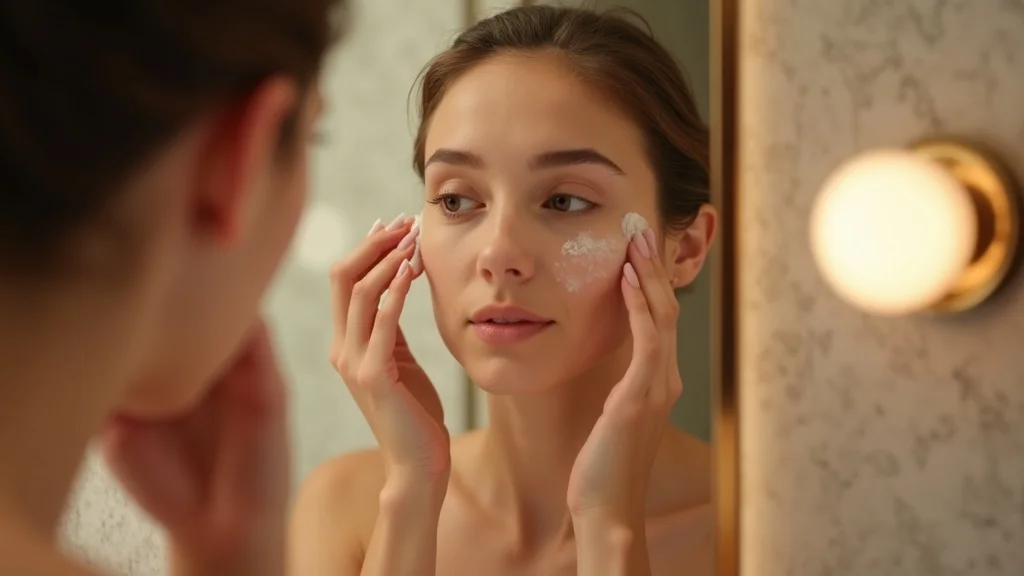
How to Harness Quality Sleep for Healthy Skin
- Lifestyle strategies that sync body clock and skin rhythms
The good news: rejuvenating your skin through sleep is both beautiful and attainable. Begin by establishing a consistent sleep-wake timetable—respect your most natural circadian cues. Minimize blue light exposure and encourage wind-down rituals (gentle stretching, journaling, meditative cleansing), all of which prepare your mind and body for profound restorative sleep. Keep the bedroom cool and dark, incorporating soothing textures and scents that welcome relaxation.
Integrate nighttime skincare as a deliberate phase of this process. Select nourishing, non-irritating formulas aligned with your skin’s needs—hydrating serums, barrier-replenishing creams, and gentle cleansers that support overnight renewal. Complement these choices with evening habits that reduce daily stress, such as mindful movement, restorative yoga, and conscious breathing. Over time, these lifestyle rhythms not only fortify your skin’s defenses but also invite lasting radiance from within.
Refined Wisdom: Quotes from Sleep Medicine and Skin Health Experts
“Sleep is when the skin orchestrates its self-repair mechanisms. Depriving the body of sufficient rest can compromise every aspect of skin vitality.” — Board-certified Sleep Medicine Specialist
“The concept of ‘beauty sleep’ is more than myth; it’s rooted in how cellular renewal peaks overnight.” — Dermatologist & longevity researcher
Common Skincare Mistakes That Disrupt How Sleep Affects Skin
- Neglecting wind-down routines
- Screen exposure late at night
- Using harsh skincare ingredients before bed
- Skipping hydration
High-achieving routines can sometimes sabotage their own intent. Neglecting pre-sleep wind-down rituals deprives your body and mind of the cues needed to transition into quality sleep. Exposing yourself to screens late at night—especially smartphones or tablets emitting blue light—delays the release of melatonin and disrupts the very circadian rhythm that drives overnight skin renewal.
Another pitfall: using overly harsh or active skincare ingredients during the evening, which can irritate rather than repair. Instead, opt for lighter, replenishing formulas that support, not challenge, the skin’s recovery process. Lastly, never underestimate the importance of hydration. Skipping a moisturizing layer before bed increases transepidermal water loss, inviting dryness and weakening the lipid barrier. Correcting these missteps is nonnegotiable for those seeking to optimize how sleep affects skin.

Practical Steps: Elevate Your Sleep Quality for Radiant, Healthy Skin
Making incremental, purpose-driven changes in your evening habits has compounding rewards for skin health and beauty sleep. Below, find actionable guidance that modern professionals and discerning women can apply tonight for luminous, enduring skin results.
Sleep Rituals That Nurture Skin Health
- Optimize sleep environment for perfect rest
- Gentle evening skincare tailored to overnight repair
Elevate your space as you would a luxury retreat: regulate temperature, eliminate disruptive noise, and darken your bedroom with blackout curtains. Include a humidifier during winter months to maintain moisture in the air and protect the skin’s barrier. Fresh linens, tactile comfort, and a bedside lamp emitting warm, gentle light help reinforce signals for sleep. Prioritize products in your evening skincare regimen that replenish hydration, repair, and soothe—think ceramide-rich creams, antioxidant serums, and mild exfoliants used sparingly.
Consistency transforms these actions into signals—alerts for your mind and skin that rest and renewal are imminent. In this ritual, beauty and wellbeing move in unison, and **quality sleep** steps forward as an elegant, essential form of self-care.

Lifestyle Adjustments That Enhance Beauty Sleep Benefits
- Movement, nutrition, and mindful habits
Sync your lifestyle with your skin’s needs. Moderate movement in the latter part of the day supports natural tiredness while releasing daily stress. A refined evening meal—rich in antioxidants, healthy fats, and hydration—can further enhance overnight repair. Avoid caffeine or heavy meals late in the evening; both can disrupt the delicate hormonal chorus that underpins healthy sleep and skin recovery.
Mindful practices—deep breathing, gratitude journaling, or reading a printed book—help lower cortisol and ease the transition from wakefulness to restorative slumber. These supportive measures don’t just facilitate better sleep; they reinforce a culture of care for your skin, your immune system, and your overall wellbeing.
When to Seek Support: Integrating Sleep Medicine for Chronic Skin Concerns
If, despite best efforts, problems persist with sleep quality—be it unrefreshing rest, ongoing insomnia, or frequent night wakings—it may be time to consult with a sleep medicine professional. Such collaboration can offer clarity on underlying sleep disorders contributing to ongoing skin problems, from chronic acne to unresolving eczema or persistent dullness.
Dermatologists and sleep specialists now recognize the profound two-way street between sleep and skin health. Comprehensive evaluation and personalized care plans amplify not just your complexion, but your broader sense of energy, performance, and contentment. Seek expert advice if chronic skin or sleep issues disrupt your quality of life, and embrace integrated solutions.

- A short editorial-style explainer featuring graphics of skin changes, circadian rhythms, and nighttime rituals, narrated by a wellness editor.
Lists: Daily and Weekly Habits for Healthy Skin Through Quality Sleep
- Daily: Consistent bedtime, digital sunset, nurturing cleanser
- Weekly: Gentle exfoliation, sleep mask, review of sleep tracker/report
- Dermatologists, sleep specialists, and wellness editors discuss the science and real-world observations.
People Also Ask: Nuanced Answers on How Sleep Affects Skin
What is the 3-3-3 rule for sleep?
- The ‘3-3-3’ rule offers a calming protocol: if you can’t sleep, spend 3 minutes outside, avoid screens for 3 hours before bed, and pursue 3 minutes of mindful breathing. This approach recognizes how sleep affects skin by supporting restful routines and circadian health.
Will I look younger if I sleep more?
- Regular, quality sleep can soften visible signs of aging, such as fine lines and uneven tone. Combined with robust skincare, it creates the conditions for resilient, radiant skin.
Can you reverse skin damage from lack of sleep?
- While not all damage is reversible, correcting sleep deprivation can gradually restore vibrancy. Pairing restorative sleep with targeted skincare promotes visible recovery and healthier skin over time.
Is 7 hours of sleep enough for skin?
- Seven hours may support some skin health, but optimal renewal often occurs at 7–9 hours for most adults. Individual needs can vary based on stress, age, and lifestyle.
FAQs: Your Beauty Sleep Questions—How Sleep Affects Skin
- How soon can I see improvements in my skin after improving sleep?
- Does sleeping position change how sleep affects skin?
- Are certain pillowcases better for healthy skin?
- Can napping compensate for poor sleep and benefit skin?
- What role does hydration play in overnight skin repair?
Key Takeaways: Elegant Truths About How Sleep Affects Skin
- Sleep is the quiet architect of radiant skin health
- Disruptions to sleep or circadian rhythm accelerate visible signs of aging
- Routines that support quality sleep will compound beauty and wellness over time
Awaken Your Best Skin: Embrace The Night to Unlock Your Healthiest, Most Radiant Self
To achieve your skin’s full radiant potential, begin where beauty originates: in the orchestration of deep, intentional sleep. Elevate your nights, and your mornings will reward you—again and again.





Write A Comment