

Imagine starting your day, catching your reflection, and noticing a subtle shift—fine lines a little deeper, your skin looking less radiant, a certain tiredness beneath the surface. What if this wasn’t just “getting older” but a silent process quietly unfolding beneath your skin for years? Elite research now reveals inflammation and visible aging are deeply interconnected, with low-level inflammation often driving the changes we attribute to age. This article takes a discerning look at this hidden connection, illustrating how beauty, wellness, and longevity are linked by science—and how the modern woman can proactively shape her skin’s future.
The Quiet Connection: Inflammation and Visible Aging Redefined
For decades, discussions of skin aging centered on collagen, sun exposure, and moisture. Yet, a growing consensus among leading skin health researchers and professional skin experts is transforming our understanding. At the core, inflammation and visible aging are delicately entwined—chronic, subtle inflammation works behind the scenes, quietly altering cellular health, texture, and radiance. Unlike a sudden rash or irritation, this process is insidious: immune cells release inflammatory cytokines, triggering signaling pathways that disrupt the skin barrier and fuel the breakdown of vital proteins. Over years, this not only accelerates the appearance of age but also erodes what we perceive as youthful vitality on a microscopic level. Appreciating this connection goes beyond vanity; it reframes skin aging as a window into our interior health, highlighting systemic inflammation as a pivotal force in longevity and well-being. By prioritizing skin health and reducing chronic inflammation, we can actively influence the aging process from the inside out.
Today’s luxury is not only in topical creams or expert facials but in a deeper awareness: taking command of your skin’s future by understanding these subtle inflammatory forces. This advanced approach empowers modern professionals and wellness-minded women to look beyond the surface, interpreting visible aging not as an inevitability but as valuable feedback from within. Inflammation and visible aging thus become a partnership in longevity—inviting new approaches in both lifestyle and science-driven skin practices. As this paradigm shifts, the opportunity is clear: thoughtful, well-informed choices can profoundly recalibrate your age-defying journey.

The Subtle Signs: How Inflammation Changes Skin Aging
The earliest indications of inflammation’s toll may not be the dramatic wrinkles or sagging we often associate with age, but rather a slow, almost imperceptible shift in skin texture, resilience, and luminosity. Chronic inflammation triggers an inflammatory cascade—small, ongoing releases of inflammatory cytokines by immune cells within the skin. This impairs skin barrier function, leaving the skin feeling chronically dry, sensitized, or less able to recover from daily insults. Recent studies on skin health and aging research reveal how persistent inflammation disrupts growth factors and impacts stem cell reservoirs in the layers beneath the surface, imperiling the skin’s ability to repair itself and si gnal for new, youthful cells. The result? Visible aging appears more rapidly, while deeper regenerative capacities are silently undermined.
In addition to those clinical signs, other telltale markers of inflammation and visible aging include an uneven complexion, persistent redness, and a loss of suppleness—often missed as part of the regular aging process. But modern research shows these changes often stem from oxidative stress and immune system dysregulation, both hallmarks of increased inflammation. In contrast to the slow rhythm of chronological age, inflammation accelerates aging’s footprint, making skin appear older than its years. For those seeking optimal longevity and wellness, identifying and addressing these subtle shifts is an elegant, science-backed move toward ageless beauty.
Why This Matters: Implications for the Aging Process and Longevity
Understanding the intimate relationship between inflammation and visible aging unlocks new potential in longevity and total health. The implications extend far beyond simple aesthetics; chronic inflammation is now recognized as a systemic driver of biological aging, impacting everything from immune function to stem cell vitality. By disrupting the skin barrier, impairing stem cell performance, and activating damaging signaling pathways, inflammation goes on to affect bone marrow, immune cell production, and the broader landscape of healthy aging. This is why modern skin science increasingly views the skin as a reflection of whole-body inflammation—a visible signal of internal processes, not just a canvas for outward beauty.
This evolving perspective is essential not just for those invested in skin care but for anyone attuned to the hallmarks of true wellness. By prioritizing anti-inflammatory practices, modern professionals and discerning women can support more effective immune response, healthier skin function, and—importantly—a resilient, age-defying foundation for decades to come. Reframing visible aging as a vital clue rather than a cosmetic concern empowers us to take elegant, meaningful steps toward enriched vitality at every life stage.
What You'll Learn About Inflammation and Visible Aging
- How chronic inflammation initiates and accelerates the visible aging process
- Key insights into signaling pathways linking inflammation and aging
- The science behind systemic inflammation and skin health
- Research on barrier function, stem cell depletion, and skin disease
- Evidence-based habits to minimize inflammation and support youthful skin
Decoding Inflammation and Visible Aging: The New Skin Aging Paradigm
Defining Skin Aging: Beyond Wrinkles and Lines
To truly decode the new skin aging paradigm, one must look past surface-level descriptors—wrinkles, fine lines, sagging—and instead understand skin aging as a multi-layered process encompassing resilience, barrier integrity, immune function, and even psycho-emotional stress. Leading research in skin aging emphasizes the pivotal roles of cellular renewal and stem cell stewardship: youthful skin is characterized by rapid cell turnover, robust barrier function, and a dynamic network of immune cells communicating with underlying bone marrow and immune system reserves. When chronic inflammation is present, it disrupts these intricate exchanges, resulting in accelerated visible and systemic aging. The difference between mere “old-looking” skin and truly aged skin lies in these underlying dynamics, making beauty, health, and longevity inseparable.
As oxidants build in the skin and inflammatory pathways are activated, even young skin may betray a dullness, heightened sensitivity, or impaired repair capacity. This new understanding challenges the long-standing reliance on surface treatments alone, calling for integrated approaches that honor both visible and invisible shifts. By expanding our view of the aging process—considering immune cells, growth factors, and stem cell health—modern professionals can guide their regimen choices with clarity and confidence.

Chronic Inflammation: The Hidden Driver of Aging Process
While many external factors contribute to skin aging, it is chronic inflammation—a silent, persistent thread woven throughout life—that most powerfully accelerates the process. As immune cell activity becomes dysregulated by environmental stress, diet, or cellular debris, inflammatory cytokines rise, setting off a signaling pathway that disrupts growth factor equilibrium and stem cell function. The resulting inflammatory process not only speeds breakdown of collagen and elastin but also exhausts the body’s regenerative toolkit, leading to premature signs of aging. Studies in aged mice, for example, show how chronic inflammation depletes skin stem cells and impairs the communication between skin and bone marrow—two elements fundamental to tissue repair and youthfulness.
Furthermore, chronic inflammation is closely linked to a range of skin diseases, such as eczema and psoriasis, where long-term immune cell activation leads to visible and functional changes far beyond the original trigger. These findings highlight that controlling inflammation isn’t simply about reducing redness or irritation, but about protecting the very foundation of healthy, resilient aging. With early lifestyle interventions and targeted skin health practices, both professionals and mindful individuals can reduce the silent, cumulative burden of inflammation, supporting both appearance and overall vitality.
Systemic Inflammation’s Role in Accelerating Skin Aging
Systemic inflammation operates as an unseen conductor—echoing from distant organs, bone marrow, and immune system networks—yet leaving unmistakable marks on the skin’s surface. Unlike acute inflammation, which is short-term and protective, systemic inflammation creates a prolonged milieu of inflammatory markers, oxidative stress, and reduced immune function. Over time, this chronic exposure wears down the skin barrier and inhibits the natural replenishment of immune cells and skin stem cells, key resources for youthful appearance. Professional skin experts note that systemic inflammation not only accelerates aging in the skin, but also deepens the risk of chronic diseases by affecting immune response and organ resilience throughout the body.
Women in particular may notice subtle signs: unexplained dullness, thinning, or persistent dryness, even with diligent skin routines. This is not purely a cosmetic concern, but a holistic signal—a cue to review lifestyle, stress, sleep, and even systemic wellness practices. Addressing systemic inflammation as part of skin care is, therefore, a refined, modern practice: one that builds true longevity, not surface-level change.
Unraveling the Science: Signaling Pathways Behind Inflammation and Aging
Inflammation as a Catalyst for Cellular Aging
At the cellular level, inflammation acts as both a sentinel and a saboteur. While acute immune response is vital for healing, unresolved inflammation morphs into a force that accelerates aging, especially in the delicate networks of the skin. Immune cells—typically guardians against infection—begin releasing chemical messengers that activate pathways such as NF-κB and MAPK. The result: increased inflammation causes oxidative stress, wears down collagen stores, and weakens the protective skin barrier. Over time, this leads to the build-up of senescent cells—cells which no longer divide or repair, but instead secrete aging-promoting factors, burdening surrounding tissues.
The effect is a progressive erosion of growth factor communication, stem cell vitality, and skin function. Aged mice and human aging research both demonstrate how chronic exposure to inflammatory cytokines impairs not only barrier function but the wider regenerative landscape, bridging skin aging with broader signs of biological age and immune dysregulation. Recognizing inflammation as a primary accelerator in this cycle provides the clarity needed to pursue meaningful, science-backed skin interventions.
Key Signaling Pathways Linking Inflammation and Visible Aging
A modern understanding of inflammation and visible aging centers on the pivotal molecular actors and signaling pathways—particularly NF-κB, MAPK, and other related cascades. Once activated by stressors, dietary triggers, or immune system imbalances, these pathways prompt skin and immune cells to release a host of inflammatory cytokines. Such persistent activation interferes with skin barrier renewal, triggers oxidative stress, and ultimately accelerates cellular aging. In this milieu, growth factors may become suppressed, stem cell reservoirs depleted, and chronic skin disease more likely to emerge.
- NF-κB Pathway: Master regulator in the body’s inflammatory response and a critical target for age-defying interventions.
- MAPK Pathway: Orchestrates cell survival and repair but, when chronically triggered, leads to early signs of skin aging and impaired immune functions.
- Other Pathways: Including JAK-STAT and PI3K, these further influence stem cell survival, immune cell coordination, and barrier function.
An elegant, holistic approach to aging requires knowledge of these signaling pathways, enabling targeted, effective strategies rooted in the science of cellular wellness, not just beauty.
How Barrier Function and Stem Cell Dynamics Are Compromised
When barrier function declines, the skin’s natural shield against pathogens and environmental insults is breached, allowing increased inflammation to take root. This breach not only causes dryness, flakiness, and heightened sensitivity but also undermines the rejuvenating role of skin stem cells. Chronic inflammation reduces growth factor signaling and depletes stem cell reserves; as a result, the skin loses its ability to regenerate, repair minor damage, and retain its youthful texture. Even subtle, repeated inflammatory insults—think low-grade irritation from harsh products, pollution, or poor sleep—diminish skin function and leave the skin vulnerable to further aging stimuli.
The connection is more than local: scientific research shows that immune cells responding to inflammation in the skin also signal to the bone marrow, changing patterns of immune cell production that ripple outward to the body’s larger immune system. Sophisticated anti-aging practices now look to support both barrier function and stem cell health simultaneously, recognizing this balance as a pillar of true longevity and radiant, age-resistant skin.
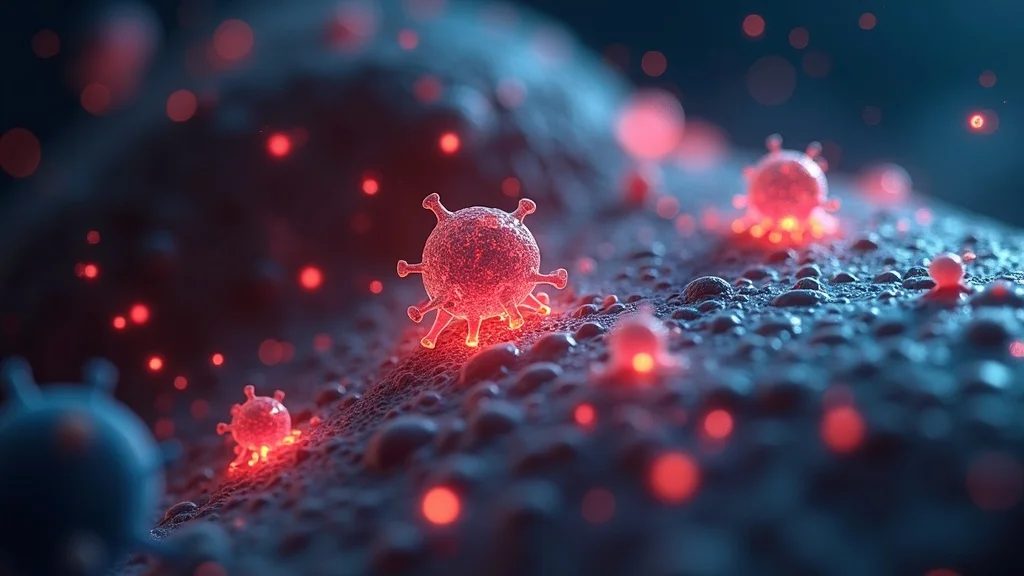
“Emerging studies reveal that chronic inflammation can stealthily erode skin health, making visible aging more pronounced and more complex than previously understood.” – EternaWell Editorial
The Real-World Impact: Chronic Inflammation in Everyday Life
Everyday Triggers of Systemic Inflammation and Skin Disease
Systemic inflammation builds over time, and its origins lie in everyday habits: a diet high in processed ingredients, chronic stress, lack of restorative sleep, and environmental toxins. Even seemingly innocuous factors—a late-night work session, skipping sunscreen, or a stressful commute—can ignite inflammatory markers and trigger a subtle, cumulative immune response. As a result, the inflammatory cascade moves beyond the skin, affecting both appearance and deeper wellness outcomes. Chronic inflammation impairs skin barrier function and can leave the foundation for persistent skin disease or premature aging, even in those who consider themselves healthy.
- Lifestyle factors: diet, sleep, environmental stressors
- Professional skin and wellness insights for modern routines
- Hormonal fluctuations and their effect on skin function
Professional skin practitioners now routinely consider stress management, nutrition, hormonal rhythms, and circadian hygiene as foundational to the new era of ageless skin strategy. For the modern woman, this means that proactive, daily choices matter just as much—if not more—than the latest topical breakthroughs.
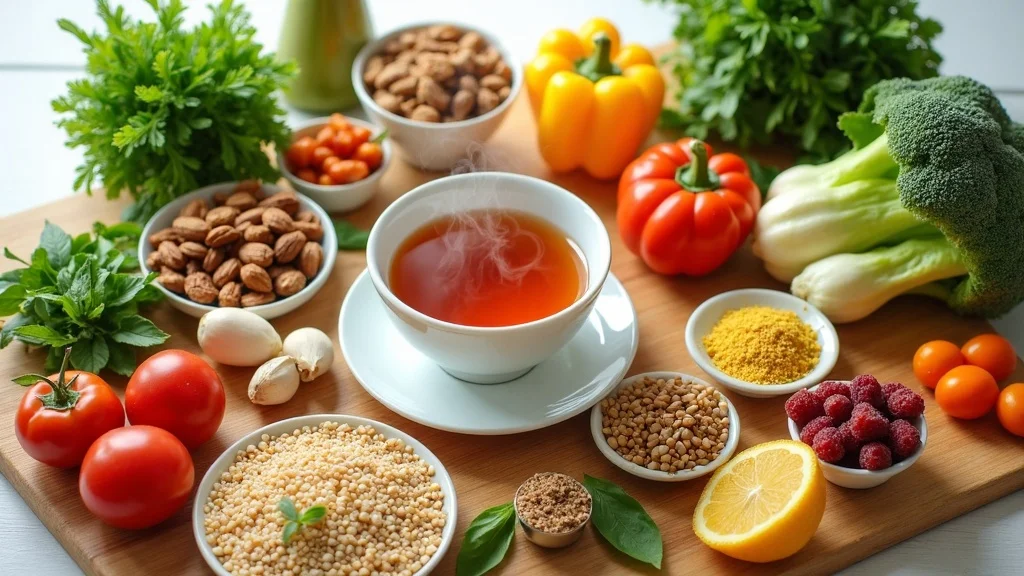
Aging Beyond the Surface: Systemic Inflammation and Longevity
The effects of chronic inflammation ripple far beyond the visible skin. Systemic inflammation is implicated in bone marrow depletion, reduced immune system capacity, and the accelerated aging of organ systems throughout the body. For discerning women, longevity is not only about how you look, but how you live, move, and recover. Practices such as mindfulness, regular movement, and anti-inflammatory nutrition help modulate not just appearance but foundational immune functions and cellular repair. Addressing inflammation systemically cultivates energy, focus, and a resilient immune response, with visible—yet deeply rooted—anti-aging results.
Current science underscores that managing inflammation is an elegant, empowering path to graceful longevity, with effects that extend from skin wellness to cognition, mobility, and disease risk. Integrating skin and wellness strategies into an intentional lifestyle harnesses both the science of aging and the artistry of self-care, poised for the demands of modern life.

Common Myths About Chronic Inflammation and Skin Aging
A number of myths persist around inflammation and visible aging. Some believe that only external factors—like sun damage or harsh chemical exposure—drive premature aging, overlooking the profound effects of systemic inflammation. Others assume inflammation is always painful or readily apparent, but the most damaging forms are often invisible, detected more by subtle, chronic exhaustion or skin dullness than by swelling or redness. There's also a misconception that skincare alone is enough to counteract these forces; yet, even the finest topicals cannot offset internal immune cell dysfunction, hormonal imbalance, or poor sleep. Debunking these myths requires a science-minded, integrated approach—one that champions both professional skin expertise and daily lifestyle intelligence, empowering discerning women to take true command of their skin's future.
The good news: new research and practical strategies are making it easier than ever to distinguish evidence-based age defense from fleeting fads. Instead of relying on quick fixes, the path to ageless beauty lies in understanding—and addressing—the root signals of chronic inflammation through a partnership of skin wisdom and overall wellness.
Expert Answers to People Also Ask
Can inflammation make you look older?
Yes, chronic inflammation can visibly age your skin. It disrupts the normal functioning of immune cells and stem cells, breaks down collagen, and hinders the rejuvenation process. These changes lead to increased wrinkles, thinning, uneven tone, and sensitivity—all hallmarks of “aged” skin. Addressing systemic inflammation with holistic habits and professional skin guidance helps slow visible aging and restore radiance.
What causes sudden aging?
Sudden aging often results from a rapid surge in systemic inflammation, typically triggered by factors such as significant stress, illness, sleep disruption, or hormonal fluctuations. This can lead to a swift build-up of oxidative stress, breakdown of skin barrier function, and impaired stem cell activity. Addressing these root causes with supportive lifestyle changes can help reverse or minimize the abrupt onset of aging signs.
What are the four powerful habits for healthy aging?
The four foundational habits for healthy aging are: 1) Adopting a balanced anti-inflammatory diet rich in whole foods and phytonutrients; 2) Prioritizing restorative sleep and circadian alignment; 3) Incorporating consistent movement and mindfulness to manage stress; and 4) Optimizing your skin barrier function with both targeted skincare and lifestyle support. Together, these evidence-based steps fortify the skin and overall body against chronic inflammation and its aging effects.
At what age does the immune system decline?
The immune system typically begins to show signs of age-related decline in the late 20s to early 30s, with more noticeable drops in immune function occurring from the 50s onward. This decline can lead to increased inflammation and reduced repair capacity, making proactive lifestyle and skin care choices especially important as part of a comprehensive approach to healthy aging.
How Professional Skin Health Practices Address Inflammation and Visible Aging
Advanced Strategies Targeting Inflammation and Skin Aging
Professional skin health practices now embrace a multidimensional philosophy—combining advanced topical formulations, in-clinic treatments, and comprehensive lifestyle guidance to modulate inflammation and preserve youthful skin function. Expert regimens focus on restoring barrier integrity, boosting immune cell communication, and promoting stem cell vitality through personalized, science-backed approaches. Targeted antioxidants, growth factors, and innovative delivery systems amplify the skin’s intrinsic repair mechanisms while shielding against environmental and hormonal triggers of the inflammatory cascade. These therapies work synergistically with wellness routines, providing an elegant defense that moves beyond superficial correction to fundamental rejuvenation at the cellular level.
Sophisticated protocols champion evidence-based actives such as niacinamide, ceramides, and anti-inflammatory botanicals, alongside clinical procedures tailored to repair skin, replenish stem cell function, and fortify the protective barrier. Regular, ongoing consultation with professional skin experts ensures adaptation as the skin evolves, maintaining resilience in the face of life’s changing demands. By addressing both surface and systemic factors, modern practices deliver elevated, lasting results.
Barrier Function, Stem Cell Support, and Skin Rejuvenation
Preserving the integrity of the skin barrier is essential for blocking irritants, preventing water loss, and sustaining youthful radiance. High-performance regimens target both the lipid matrix and protein structure, using ceramides, fatty acids, and humectants to rebuild strength and flexibility. Simultaneously, advanced treatments stimulate skin stem cell renewal—through growth factors, peptides, or energy-based therapies—to counteract the effects of inflammatory aging. These dual-targeted approaches enable holistic skin rejuvenation, blending the insight of clinical science with the luxury of tailored self-care.
Recent developments highlight the relevance of combining barrier repair with stem cell support, particularly for women experiencing hormonal shifts or immune system changes. Whether through medical-grade treatments, regular at-home care, or tailored supplementation, the synthesis of these principles underpins the modern anti-aging skin philosophy: one that is intelligent, integrative, and finely attuned to the lifelong wellness journey.
| Approach | Strengths | Limitations |
|---|---|---|
| Topical Skincare (eg. antioxidants, ceramides) | Improves barrier function, addresses irritation and dryness, penetrates surface inflammation | Limited systemic effect, may not target deeper immune or stem cell dysfunction |
| Professional Skin Treatments (eg. lasers, peels, growth factor therapies) | Stimulates stem cell renewal, targets visible aging, enhances regeneration | Requires expertise, potential for downtime, does not replace lifestyle approaches |
| Lifestyle Interventions (nutrition, sleep, stress management, movement) | Reduces systemic inflammation, supports immune function, empowers long-term results | Requires ongoing commitment, results are progressive, benefits multiply with consistency |
| Science-backed Supplementation (omega-3s, polyphenols, adaptogens) | Enhances anti-inflammatory defenses, complements topical care and wellness routines | Quality matters, not a standalone solution, best when personalized |
Top Evidence-Based Habits for Reducing Inflammation and Supporting Youthful Skin
- Balanced anti-inflammatory nutrition
- Restorative sleep and circadian hygiene
- Targeted skincare for optimizing barrier function
- Stress management and movement
- Science-backed supplementation
Lasting transformation demands a multi-layered approach that blends nutrition, sleep, movement, and professional skin wisdom. An anti-inflammatory diet—rich in leafy greens, colorful vegetables, healthy fats, nuts, and whole grains—provides antioxidants and phytonutrients that dampen inflammatory cytokines and foster healthy immune cells. Restorative sleep and mindful circadian hygiene underpin immune system resilience, while stress reduction—practiced through yoga, meditation, and regular movement—lowers inflammatory markers, boosts stem cell activity, and preserves the youthful equilibrium of your skin.
Tailored topical regimens and professional consultation further support barrier repair, and science-aligned supplements can enhance immune function, improve skin barrier structure, and guard against age-related stem cell decline. By weaving these practices into daily life, modern women realize skin health that transcends surface-level solutions—building vitality and confidence for the decades ahead.
“Modern lifestyles demand more than surface solutions. Addressing inflammation at its source is essential for true age-defying skin health.” – EternaWell Editorial
FAQs: Inflammation and Visible Aging
-
How do I know if inflammation is aging my skin?
Typical signs include persistent dullness, tightness, increased sensitivity, or redness even in the absence of obvious irritation. If your usual skincare regimen becomes less effective or subtle aging seems to accelerate, low-level inflammation—or underlying systemic inflammation—may be at play. Professional skin assessment can clarify the root causes and reveal targeted solutions. -
What role do antioxidants play in fighting visible aging?
Antioxidants neutralize oxidative stress—one of the principal drivers of inflammation and visible aging. By counteracting free radicals, antioxidants support collagen preservation, immune cell health, stem cell function, and skin barrier integrity, working in concert with other anti-inflammatory strategies for a fresher, more youthful complexion. -
Are there specific foods that help counteract systemic inflammation?
Yes. Foods high in omega-3 fatty acids (such as wild fish, flaxseeds, walnuts), polyphenol-rich produce (berries, leafy greens, colorful vegetables), and anti-inflammatory spices (turmeric, ginger) help reduce inflammatory markers and support immune system function. Consistent, balanced nutrition is foundational to healthy skin aging. -
How quickly can I see an improvement by addressing chronic inflammation?
While surface improvements—like smoother texture or less redness—may be noticeable within weeks, deeper transformations related to decreased inflammation and improved stem cell function typically unfold over months. Consistency is key: with ongoing commitment, skin and wellness benefits compound, leading to sustainable, age-defying results.
Key Takeaways for Aging Well in Light of the Inflammation Connection

- Inflammation is a silent but powerful force in visible aging
- Science now points to lifestyle and holistic professional care as primary interventions
- Advanced knowledge empowers modern women to take charge of aging with clarity
Next Steps for Skin Health: Begin Your Inflammation and Visible Aging Assessment
Embracing the science of inflammation and visible aging allows you to align your daily rituals and professional choices with lasting vitality. Start with a holistic self-assessment, consult with a skin health expert, or refine your anti-inflammatory routines—every action will pay lasting dividends for your skin and your future.





Write A Comment