 Add Row
  Add
Add 


Did you know that non-invasive aesthetic treatments now account for over 70% of all cosmetic procedures performed worldwide? This striking statistic highlights a growing trend—people are choosing quicker, less risky ways to rejuvenate their appearance. If you want rapid transformation without weeks of downtime or the unknowns of surgery, non-invasive aesthetic treatments are reshaping the beauty industry, offering real results with minimal interruption to your daily life.
Unlocking Transformation: The Rise of Non-Invasive Aesthetic Treatments
Thanks to innovative technologies and shifting preferences, non-invasive aesthetic treatments have surged in popularity over the last decade. These procedures offer an attractive alternative to traditional plastic surgery: quicker appointments, reduced recovery time, and less risk of complications. In fact, according to leading industry reports, the demand for aesthetic procedures that require little to no downtime has nearly doubled since 2015. The appeal is clear—patients want noticeable yet natural enhancements, such as smoother skin and a more youthful appearance, without the need to go under the knife or spend weeks recuperating.
This transformation isn't just cosmetic—it's cultural. Individuals of all ages now seek efficient ways to improve skin care, address issues like fine lines, skin tone inconsistencies, and early signs of aging. Modern non-invasive aesthetic treatments include options like laser treatments, dermal fillers, chemical peels, and more, each tailored to deliver rapid yet lasting changes. As clinical results and patient satisfaction rates continue to rise, it’s evident that non-invasive methods are redefining what's possible in daily beauty routines.

A Look at the Latest Statistics in Aesthetic Procedures
A recent global survey revealed that almost 14 million non-invasive aesthetic procedures were performed in 2023, outpacing traditional plastic surgery procedures by nearly three-to-one. Treatments such as laser skin resurfacing and dermal fillers have seen year-over-year increases, with dermal filler usage up by over 30% since 2020 alone. These advances mean that today’s patients are benefiting from swift appointments (often under an hour), immediate or next-day visible improvements, and minimal aftercare concerns. The upward trend reflects the shift toward less stressful, highly effective cosmetic solutions, as busy lifestyles leave little room for lengthy recovery time or surgical risks.
Demographically, younger patients are increasingly adopting these treatments early, motivated by a proactive approach to skin care and prevention. Even so, older adults find value in these options to reduce lines and wrinkles, combat sun damage, and restore skin’s radiance. With so many options for cosmetic procedures that avoid the significant hurdles of surgery, it’s clear why non-invasive approaches dominate today’s market.
What You'll Learn About Non-Invasive Aesthetic Treatments
Key benefits of non-invasive aesthetic treatments
Differences between non-invasive and invasive procedures
Overview of popular non-invasive cosmetic procedures
How to choose the right aesthetic treatment based on skin care needs
Expected results and timelines
Safety and risks associated with non-invasive treatments
Understanding Non-Invasive Aesthetic Treatments
Definition and Core Principles of Non-Invasive Aesthetic Treatments
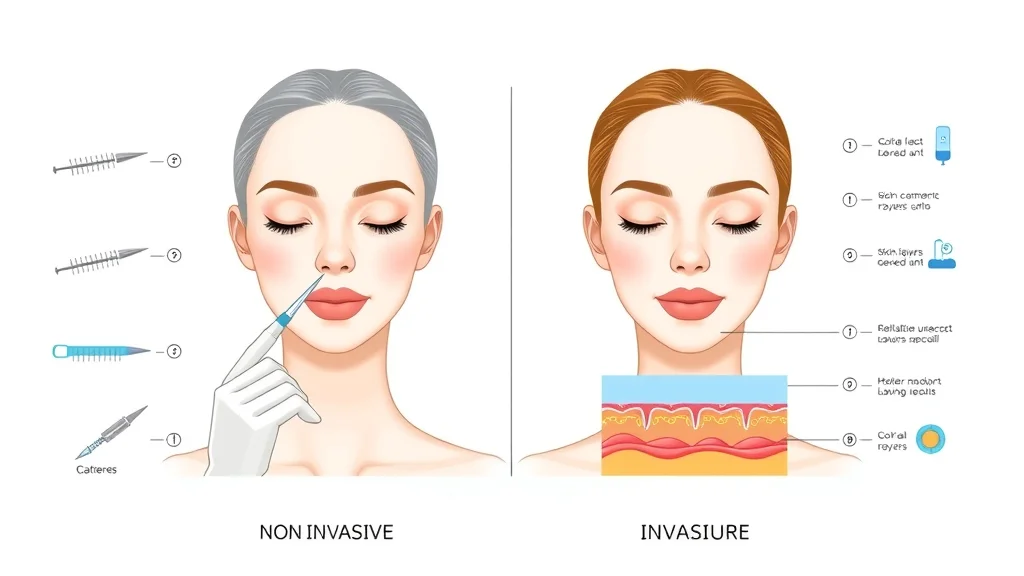
Non-invasive aesthetic treatments refer to techniques that enhance or rejuvenate your appearance without the need for surgical incisions, stitches, or prolonged anesthesia. Unlike a plastic surgery or a complex surgical procedure, these methods leverage the latest science—think lasers, injectable solutions, and targeted thermal devices—to address skin care concerns and boost your confidence. The core principles are simplicity, safety, and rapid recovery: treatments are performed in-office, often require little to no downtime, and carry significantly reduced risks compared to classic invasive options.
The effectiveness of these aesthetic procedures lies in their precision. For example, laser treatments target damaged skin layers to promote natural healing, while dermal fillers made of hyaluronic acid add volume and smoothness where aging or sun damage have taken a toll. Each non-invasive aesthetic treatment is selected based on individual skin type, concerns, and personal goals—allowing for a truly personalized approach to beauty and skin rejuvenation.
“With non-invasive aesthetic treatments, patients can achieve noticeable results without the downtime or risks associated with surgical procedure alternatives.”
Plastic Surgery vs. Non-Invasive Aesthetic Treatments: Making an Informed Choice
Comparing Invasive Procedures and Non-Invasive Aesthetic Treatments
The most significant difference between traditional plastic surgery and modern non-invasive options lies in their approach and impact. While a surgical procedure typically involves cuts, sutures, anesthesia, and extended recovery periods, non-invasive treatments use targeted technologies (like lasers, fillers, and peels) to deliver results in a fraction of the time. For example, surgical facelift procedures can require weeks of downtime, whereas non-invasive laser or filler sessions can yield vibrant changes with only minor redness or swelling that resolves in hours to days.
Patients are increasingly opting for non-invasive aesthetic treatments because they offer competitive results for common concerns like fine lines, sagging skin, uneven texture, and signs of aging. While surgery may still be the best fit for drastic reshaping or lifting, the vast majority of routine improvement needs are now solved with minimally- or non-invasive technology—delivering results that look natural and avoid the risks and costs associated with more invasive options.
Treatment Type |
Features |
Risks |
Downtime |
Typical Outcomes |
|---|---|---|---|---|
Plastic Surgery (Invasive Procedures) |
Surgical incisions, anesthesia, significant tissue alteration |
Infection, scarring, anesthesia complications, prolonged swelling |
2-6 weeks recovery, follow-up required |
Dramatic, long-term changes; irreversible in some cases |
Non-Invasive Aesthetic Treatments |
No incisions, local treatment, in-office procedures |
Mild redness, rare allergies, temporary swelling or bruising |
None to a few days of minor discomfort; immediate return to activities |
Noticeable, natural-looking improvements; repeatable as needed |
Popular Non-Invasive Aesthetic Treatments and Cosmetic Procedures
Dermal Fillers and Hyaluronic Acid
Laser Treatments for Skin Resurfacing
Chemical Peels
Microdermabrasion and Skin Care Therapy
Non-surgical Tightening and Contouring

Spotlight: Dermal Fillers and Laser Treatments
Dermal fillers are gel-like substances (often based on hyaluronic acid) injected beneath the skin to restore lost volume, smooth lines, and enhance facial contours. Their popularity stems from instant, noticeable outcomes paired with very minimal recovery time. Patients often notice reduction in deep creases, plumper lips, and improved definition around the cheeks and jaw—all with results that can last anywhere from six months to over a year. Another standout procedure is laser treatment, such as fractional CO₂ lasers, which target skin resurfacing, sun damage, uneven tone, and fine lines. Laser treatments accelerate natural collagen production for firmer, brighter skin.
Other celebrated non-invasive options include chemical peels for brightening a dull complexion, microdermabrasion for improved skin texture, and radiofrequency skin tightening to gently lift sagging areas. Each of these treatments can be tailored—not only to treat specific problems but also to fit into busy schedules, with most patients returning to normal activities right away. Whether you're facing uneven skin, visible signs of aging, or wish to boost overall skin care, there’s a precision treatment available for you.
How Non-Invasive Aesthetic Treatments Provide Rapid Results
Mechanisms Behind Quick Recovery and Visible Changes
The secret to the rapid results of non-invasive aesthetic treatments lies in advanced technology and intelligent skin science. Procedures such as laser treatments deliver focused energy deep into the skin, stimulating collagen and addressing pigmentation or fine lines without harming the outer layer. Meanwhile, in-office fillers create volume immediately beneath the surface, smoothing wrinkles and lines as soon as they’re injected. Because these treatments avoid large wounds or surgical disturbances, inflammation and subsequent downtime are minimized.
Most non-invasive aesthetic treatments offer not only immediate post-procedure improvements but also results that continue to evolve. For example, a laser session may produce some initial redness, but smoother, more even skin becomes increasingly visible within days to weeks as healing and collagen creation progress. The longevity of results—from six months for some fillers to several years for skin resurfacing—means that patients can enjoy their transformation without constant upkeep or the risks linked with more invasive treatments.
Minimal downtime
Immediate post-procedure improvements
Longevity of results from aesthetic treatments
Watch: Demonstration of Non-Invasive Aesthetic Treatments in Practice
Key Factors to Consider Before Choosing Non-Invasive Aesthetic Treatments
Assessment of skin care needs
Realistic expectations about outcomes
Credentials of providers and safety standards
Before choosing any non-invasive aesthetic treatment, start with a professional assessment of your skin’s unique needs and conditions. Consultation with a certified provider (such as a dermatologist or experienced aesthetician) ensures you select the most suitable technique—targeting specific concerns like wrinkles, uneven tone, sagging skin, or texture. Setting realistic expectations about what each procedure can achieve is crucial for satisfaction; these treatments offer powerful enhancements, but their improvements are typically subtle and natural.
Above all, research your practitioner’s credentials and verify adherence to strict safety standards. Procedures should be administered in properly equipped and sanitized environments, with pre-treatment screenings for allergies or contraindications. Taking the time to investigate both process and practitioner is your best path to safe, beautiful results—minimizing risks and ensuring you achieve your personal skin goals.
People Also Ask: Non-Invasive Aesthetic Treatments
What is non-invasive aesthetic treatment?
A non-invasive aesthetic treatment is any cosmetic procedure that improves your appearance without the need for surgical incisions, deep tissue disruption, or significant recovery time. These treatments—including dermal fillers, laser therapy, and chemical peels—work on or just below the skin’s surface to smooth wrinkles, improve skin texture, or address signs of aging. Results are fast, risks are low, and you can typically resume your normal routine right after the session.
What is the best non-invasive skin treatment?
The best non-invasive skin treatment depends on your individual skin care goals. For instant volume and wrinkle reduction, dermal fillers (often based on hyaluronic acid) are extremely effective. If you want to address sun damage, skin tone issues, or uneven texture, laser treatments and chemical peels are often recommended by professionals. Ultimately, a customized consultation is the most reliable way to select the ideal treatment for your needs and lifestyle.

What are minimally invasive aesthetic treatments?
Minimally invasive aesthetic treatments are procedures that penetrate or affect the skin slightly more than standard non-invasive options. This might include very fine injections (such as those with dermal fillers or neuromodulators), microneedling, and certain radiofrequency therapies. Though these approaches still avoid deep surgery, they may require a shorter period of healing or involve minor risks, but offer effective rejuvenation for many common cosmetic concerns.
What are examples of non-invasive procedures?
Examples of non-invasive procedures include:
Laser skin resurfacing
Chemical peels
Dermal fillers
Microdermabrasion
Non-surgical facial tightening using ultrasound or radiofrequency
aesthetic treatmentssun damage
Risks and Safety: How Non-Invasive Aesthetic Treatments Compare to Surgical Treatments
Possible side effects from dermal fillers
Allergic reactions with chemical peels
Risks of laser treatments
How to minimize complications
While non-invasive aesthetic treatments are much safer than surgical treatments, they are not entirely risk-free. Dermal fillers occasionally cause bruising, swelling, or rare vascular complications. Chemical peels may induce temporary redness or, in rare cases, allergic reactions. Laser treatments can result in mild blistering, pigment changes, or, if improperly applied, minor burns. Fortunately, choosing a reputable provider and adhering to post-procedure guidelines drastically minimizes these risks; always disclose previous allergies and current medications during your pre-treatment assessment to reduce adverse effects.
Safety measures include thorough skin analysis, the use of sterile equipment, and careful monitoring during and after treatments. Providers should offer clear instructions for aftercare, including recommendations for gentle skin care, sun avoidance, and prompt reporting of any unusual symptoms. When administered correctly, most non-invasive aesthetic treatments are associated with extremely low rates of serious complications and highly predictable results.

Watch: Expert Tips—How to Maximize Results and Stay Safe with Non-Invasive Aesthetic Treatments
FAQs: Non-Invasive Aesthetic Treatments
How long do results from non-invasive aesthetic treatments last?
Depending on the specific treatment, results can last from several months (in the case of most fillers and peels) up to three years (laser skin resurfacing, for example). Consistent aftercare, such as daily sunscreen use and professional cleansers, can help maintain your results for even longer.Can non-invasive treatments replace plastic surgery?
For many patients, yes. Most non-invasive aesthetic treatments are highly effective at correcting minor-to-moderate aging signs, improving skin quality, and smoothing lines. However, surgical procedures may still be best for dramatic changes or complete facial reconstructions.Are non-invasive aesthetic treatments painful?
Most patients report only mild discomfort during procedures, such as a brief stinging or tingling. Topical anesthetics are frequently used for lasers and peels, while very fine needles make filler injections quick and tolerable.
Key Takeaways on Non-Invasive Aesthetic Treatments for Rapid Results
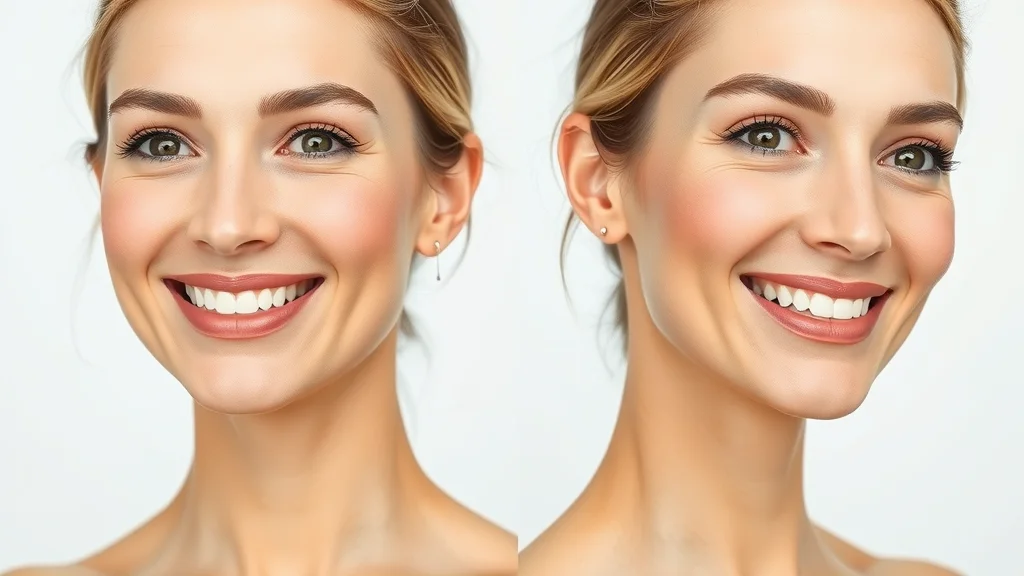
Non-invasive aesthetic treatments offer rapid, effective solutions for improving your skin and appearance—without the burden of surgery or lengthy recovery. From fillers and lasers to peels and contouring, modern options provide safe, natural-looking results for nearly every skin concern.
Ready for a Transformation? Schedule Your Consultation for Non-Invasive Aesthetic Treatments Today
To enhance your confidence and achieve visible results quickly, book a consultation with a board-certified provider and discover which non-invasive aesthetic treatments are right for you. You’re just one step away from revealing your healthiest, most radiant self!




Write A Comment