Add Row
Add Element
cropper
update

EternaWell Journal

Where Aesthetics Meet Longevity

update
Add Element
  • Home
  • Categories
    • Aesthetic Innovation
    • Longevity Science
    • Wellness Optimization
    • Skin Health & Dermatology
    • Mind-Body Beauty
    • Biohacking for Women
    • Business of Beauty & Wellness
    • Lifestyle & Inspiration
    • Longevity Essentials
November 27.2025
1 Minute Read

Don’t Make This Costly Mistake with Advanced Skincare Tools!

Did you know that over 70% of consumers misuse their advanced skincare tools, often resulting in wasted money, ineffective results, or even lasting skin damage? Don’t fall into this surprising trap—read on to learn how to unlock your skin’s best potential without costly setbacks.

Startling Statistics: How Advanced Skincare Tools Transform Beauty Routines

“According to a 2023 market analysis, over 70% of consumers misuse advanced skincare tools, leading to ineffective results or even skin damage.”

Advanced skincare tools have surged in popularity, revolutionizing how both consumers and professionals manage skin concerns at home. From LED masks to microcurrent devices and facial rollers, these beauty tools promise to deliver clinic-level results without ever leaving your bathroom. Given their transformative potential, it’s no surprise that skin care routines everywhere have evolved to incorporate these high-tech devices. But just as the right skincare tool can help you reduce puffiness, improve skin texture, and smooth fine lines, the wrong approach or a misuse can result in disappointing or even harmful outcomes.

With this in mind, understanding the technology and best practices behind these skin care tools becomes crucial. Recent trends show a rise in do-it-yourself beauty, yet many users overlook key principles—such as matching the care tool to their skin type or sticking to a recommended routine—and end up getting less than they bargained for. If you’re investing in the latest facial tools, this guide will ensure that every dollar you spend translates into visible, healthy results and not costly mistakes.

Modern diverse young woman using an LED facial mask with advanced skincare tools in spa-like bathroom.

What You'll Learn About Advanced Skincare Tools

  • The key features and benefits of advanced skincare tools

  • Latest technologies powering skincare tool advancements

  • How to choose the right care tool for your needs

  • Price comparisons across leading brands

  • Expert reviews and real customer feedback on advanced skin care tools

  • Proven tips to avoid common mistakes with advanced skincare tools

Understanding Advanced Skincare Tools: From Skin Care Tool Basics to High-Tech Solutions

What Qualifies as Advanced Skincare Tools?

Advanced skincare tools are not your average beauty gadgets. These devices leverage modern technologies—like LED light, ultrasound, and microcurrents—to target specific skin concerns that simple creams or manual massage can’t address as effectively. What separates an advanced care tool from classic beauty tools is their ability to work deeper within the skin’s layers, not just on the surface. For example, a LED mask can stimulate collagen production and reduce signs of aging, while a facial roller helps with lymphatic drainage and reduces puffiness, giving a lifted, radiant look.

To qualify as “advanced,” a skincare tool typically features scientific backing and delivers consistent, measurable improvements—such as minimizing fine lines and smoothing skin texture over time. Devices like microcurrent facial tools actually stimulate facial muscles, while ultrasonic scrubbers provide deep cleansing, removing stubborn impurities that daily skin care products might miss. As technology continues to evolve, today’s skin care tools are more sophisticated, safer, and versatile than ever before, allowing users to customize their skincare routine for effective, professional-grade results at home.
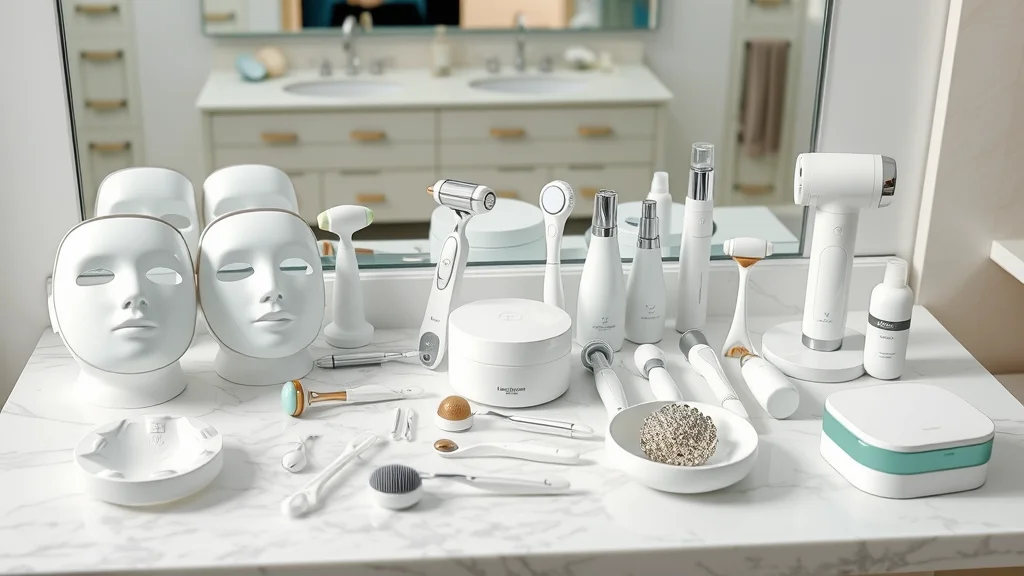
Array of high-tech advanced skincare tools, including LED masks, facial rollers, and microcurrent devices, displayed on marble countertop.

A Brief History of Skin Care Tools and Technology

The journey of skin care tools dates back thousands of years, evolving from simple jade rollers in ancient China to today’s digitally controlled LED masks and microcurrent beauty tools. Historically, societies relied on natural stones and manual massage to boost circulation and skin health. The 20th century saw the rise of electric facial tools in professional facial clinics, as estheticians began using specialized devices for anti-aging, exfoliation, and therapy.

In recent decades, technology has democratized access to these once-exclusive professional facial tool systems, bringing them into the hands of everyday users. Innovations in materials (like medical-grade silicone and dual-ended facial rollers) combine with electronic engineering to safely deliver treatments, such as red or blue light therapy, in targeted sessions. This historical journey underscores the importance of understanding both the technology and science behind your chosen skincare tool, to avoid costly mistakes and maximize results.

Leading Types of Skincare Tools Used by Professionals

  • Red light devices and LED light therapy

  • Facial rollers and massagers

  • Professional facial tool systems

The Science Behind Advanced Skincare Tools
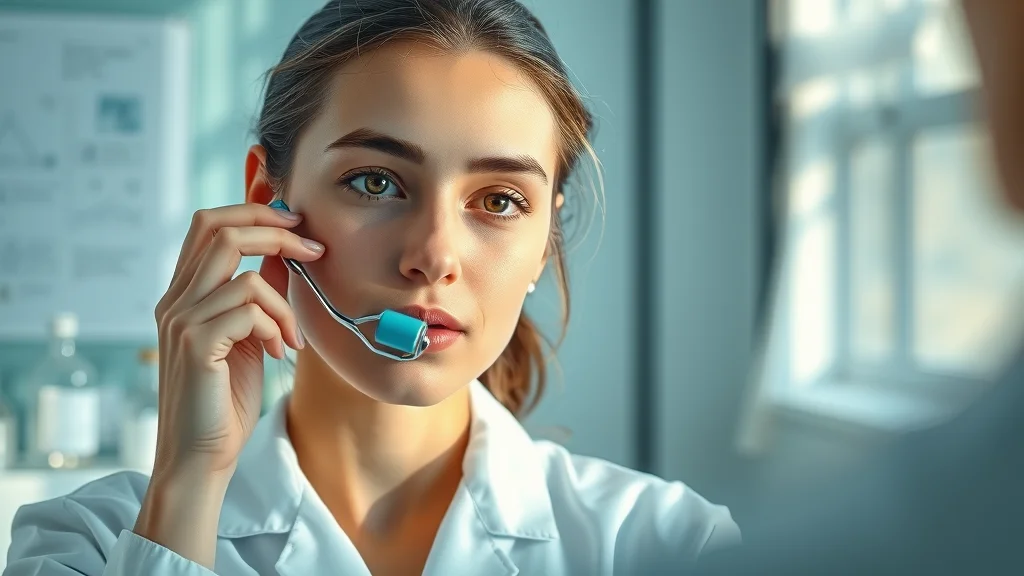
Woman using facial roller in clinical skincare lab, showing science behind advanced skincare tools.

How Light Therapy and Red Light Impact Your Skin

Light therapy—and particularly red light therapy—has become a cornerstone in advanced skin care. Devices that use LED light can penetrate the skin’s surface to stimulate the production of collagen, reduce inflammation, and improve skin tone and texture. Red light settings encourage fibroblast activity, resulting in smoother skin, fewer fine lines, and diminished wrinkles. This science-based approach has made light therapy one of the most sought-after features in today’s advanced skincare tools.

Studies reveal impressive skin-rejuvenating effects, especially when red light is combined with complementary technologies (like microcurrent or ultrasonic cleansing). The best part? These benefits are now accessible at home, so you don’t need to visit a clinic to experience improvements in your skin health and texture. However, correct usage is essential to avoid side effects and ensure the care tool delivers visible improvements, not frustration or risk.

The Role of LED Light Therapy and LED Masks

LED masks and similar devices have redefined skin care routines for anti-aging, acne, and radiance. By delivering multi-wavelength LED light—including blue, yellow, and red light—these masks target different skin concerns simultaneously. LED light therapy is clinically shown to improve acne, reduce fine lines and wrinkles, and calm inflamed skin without the need for harsh chemicals.

Compared to traditional beauty tools, the latest LED mask designs offer even, consistent coverage and customizable settings for different skin types. The safety, versatility, and non-invasive nature of LED light therapy have led to skyrocketing adoption among both beauty enthusiasts and professionals wanting salon-level results at home. For best results, users must follow recommended session times and frequency for their skin type or concern.

Technological Innovations in Skin Care Tool Design

Today’s advanced skincare tools feature a range of innovations, from sonic vibration and heat therapy to AI-driven customization. Microcurrent facial tools generate low-level electrical stimulation—mimicking the body’s own bioelectric signals—to lift and tone facial muscles, offering a non-surgical option for improving facial contours and reducing signs of aging. Ultrasonic scrubbers utilize high-frequency sound waves for deep pore cleansing, while smart sensors now help personalize routines based on skin moisture, elasticity, or type.

These advancements are why evaluating the specifications and technology of any skin care tool is vital. It's not just about flashy features; true improvement in skin concerns comes from choosing the right tool, using it properly, and understanding the technology's intended benefits and limitations.

Comparing Advanced Skincare Tools: Features, Benefits, and Price Table

Skincare Tool

Key Technology

Main Benefit

Price Range

Brand Examples

LED Mask

LED Light

Reduces wrinkles

$80–$300

Dermashine, Dr. Dennis Gross

Facial Roller

Quartz/Metal

Lymphatic Drainage

$20–$80

Mount Lai, Herbivore

Ultrasonic Scrubber

Ultrasound

Deep cleansing

$40–$160

Trophy Skin, Skin Gym

Microcurrent Device

Microcurrent

Lifts + tones skin

$120–$400

NuFACE, Foreo

Key Benefits of Using Advanced Skincare Tools in Your Routine

Skincare Tool Results: What to Expect

Incorporating advanced skincare tools into your daily skincare routine can bring dramatic, visible improvements. Most users report a smoother texture and enhanced radiance within just a few weeks of consistent use. These effects include a reduction in fine lines and wrinkles, improved skin elasticity, and more defined facial contours. Devices like the LED mask are especially effective at targeting stubborn skin concerns such as dullness, acne, or uneven tone—far surpassing what traditional skin care products alone offer.

With facial rollers and microcurrent devices, many notice reduced puffiness and better absorption of serums and creams. Moreover, these care tools are lauded for delivering spa-quality results in the comfort of your home, ensuring skin consistently looks and feels its healthiest. Of course, the quality of results depends on choosing an appropriate device and using it as recommended—making education as crucial as investment.
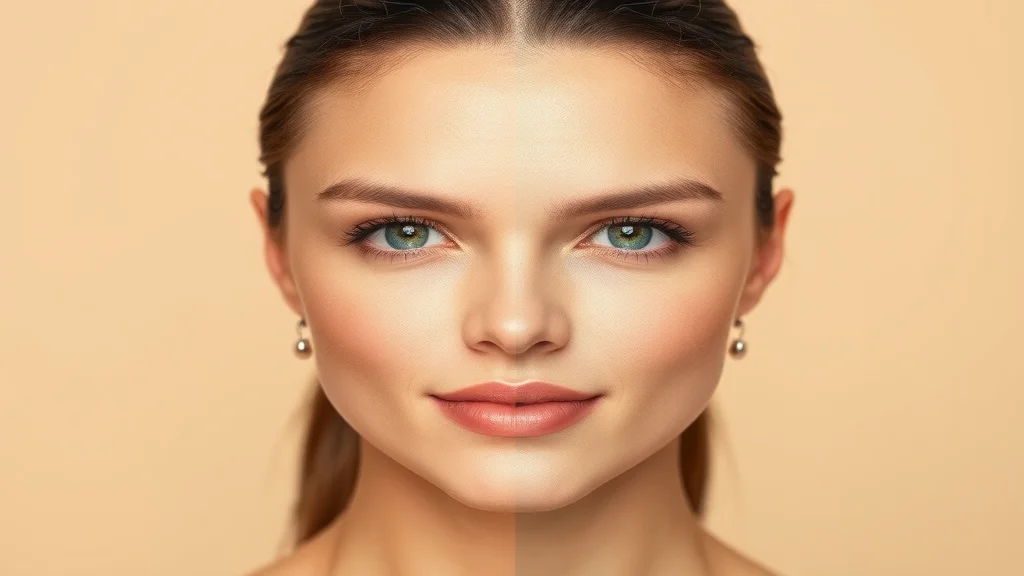
Before and after image showing results of advanced skincare tools on smoothing and glowing skin.

Skin Care Tools for Anti-Aging and Professional Facial Treatments

If your main goal is to combat the signs of aging—such as fine lines and wrinkles—then anti-aging facial tools represent some of the best investments. Microcurrent devices use gentle electrical impulses to stimulate facial muscles, leading to firmer skin and a lifted appearance. LED masks and red light therapy are scientifically proven to boost collagen production and smooth away age-related skin texture changes. Many professional facial treatments now incorporate these devices for non-invasive, fast, and consistent results.

For clients with a range of skin concerns, from dullness to moderate sagging, integrating the right skin care tool can often provide outcomes once reserved for clinics—now at home. Whether you’re looking for maintenance or dramatic transformation, the right routine—and the right technology—can mean all the difference in delaying the visible signs of aging.
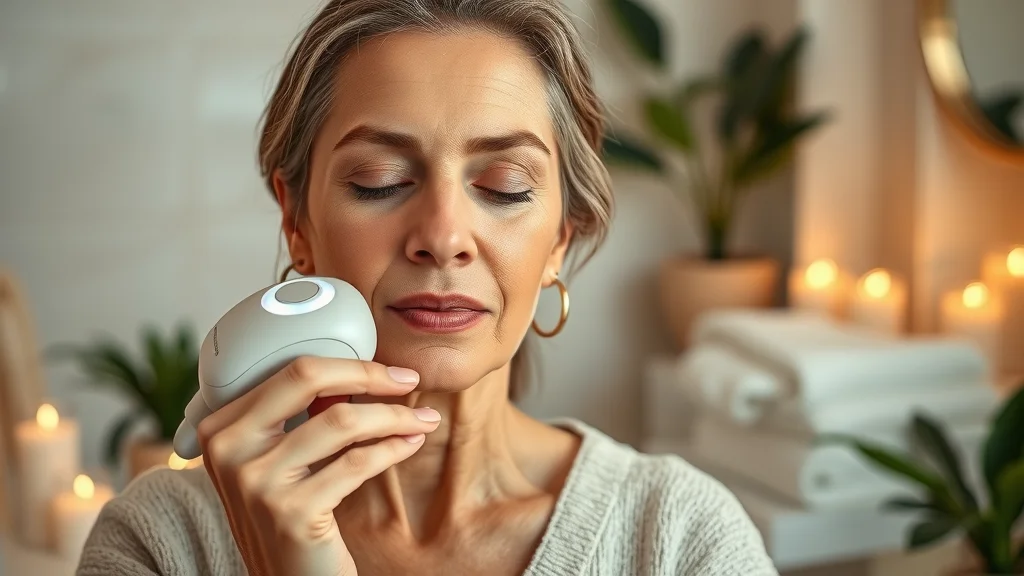
Mature woman using a microcurrent facial device in luxurious bathroom; advanced skincare tools for anti-aging.

At-Home Vs. Professional Facial Tools: Pros and Cons

  • Convenience

  • Cost-efficiency

  • Consistency of results

At-home advanced skincare tools offer unmatched convenience, letting you maintain your skin health on your own schedule. They’re typically more affordable over time, especially when compared to repeated professional treatments. However, professional-grade skin care tools in clinics often yield quicker, more dramatic effects, thanks in part to higher power settings and expert supervision. Additionally, clinicians can customize care routines to suit unique needs, further reducing any risks related to tool misuse. When deciding, consider your goals (maintenance vs. transformation) and lifestyle—either way, prioritizing device safety and correct technique is non-negotiable.

Ultimately, whether you choose at-home devices or invest in a professional facial session, the true value comes from selecting appropriate facial tools for your skin and committing to proper usage. It’s all about balance: use home tools for regular maintenance and occasional clinic treatments when deeper intervention is needed.

Most Common Costly Mistakes with Advanced Skincare Tools—and How to Avoid Them

  • Choosing the wrong care tool for your skin type

  • Incorrect usage of advanced skincare tools

  • Not following recommended light therapy routines

  • Overlooking regular maintenance of skin care tools

"Using an advanced skincare tool the wrong way can do more harm than good. Always consult user guidelines or a professional before starting a new regimen."

Young adult frustrated with skincare tool usage, mistakenly using device upside down; advanced skincare tools common mistake.

Despite the promise of advanced skincare tools, missteps are all too common. Selecting a care tool not suited to your skin type—such as an abrasive scrubber for sensitive skin—may cause redness or micro-tears. Incorrect usage, like applying too much pressure with a facial roller or overusing an LED mask, can irritate or sensitize the skin instead of improving it. Neglecting to clean or properly charge devices may result in bacterial build-up or inconsistent performance.

To avoid these costly pitfalls, always research your chosen device, read user guidelines, and perform patch tests before starting a new regimen. It’s equally essential to stick with the recommended scheduling, whether using light therapy or microcurrent sessions. When in doubt, ask a dermatologist or esthetician for advice—especially if you have pre-existing skin concerns or conditions.

How to Choose the Right Advanced Skincare Tool for You

Factors to Consider When Comparing Skincare Tools
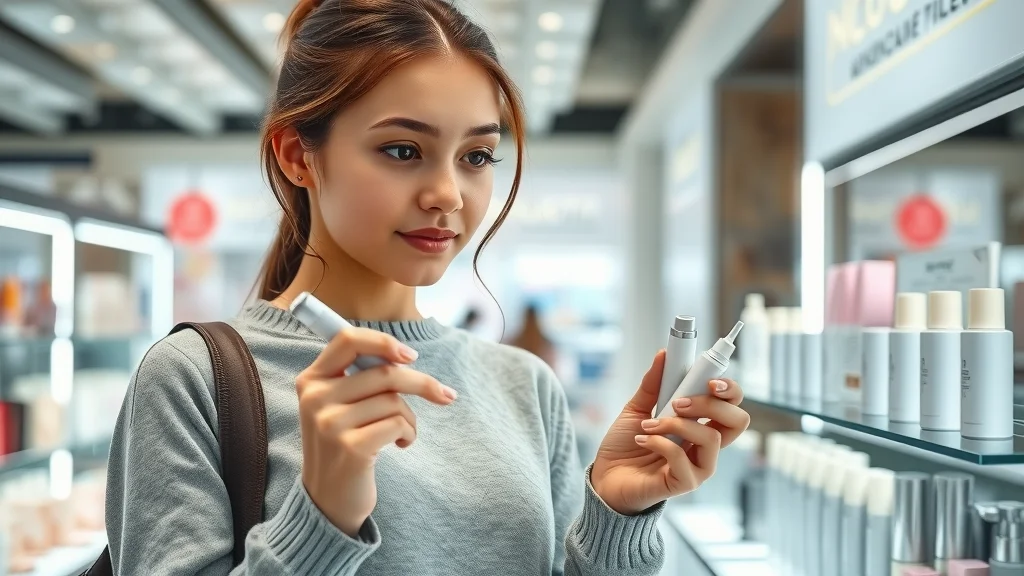
Thoughtful young shopper comparing advanced skincare devices in beauty store; factors for choosing skin care tool.

Not all advanced skincare tools are created equal. Before making your purchase, consider your unique skin concern (acne, aging, sensitivity, etc.), the level of technology offered (such as red light vs. microcurrent), and the type of results you want (improve skin texture, reduce puffiness, or address deep wrinkles). Check user-friendliness, power levels, safety certifications, and cleaning requirements for each model. Brand reputation, warranties, and customer reviews matter, too—well-designed facial tools from leading brands often provide more reliable outcomes and better aftercare support.

Often, devices offering multiple functions (like combined LED and microcurrent modes) can be worth a slightly higher investment. Additionally, look for professional skin care tool features such as adjustable settings for customized treatment, built-in timers, and high-quality materials that won’t irritate your skin. Prioritizing these factors will help steer you toward lasting, visible results—not product regret.

Questions to Ask Before Buying an Advanced Skincare Tool

To make a smart purchase, ask: Is the device suited for my skin type or specific problem? What safety features are included? Is there expert or clinical backing for the promised results? How does the warranty and support compare? Can I easily clean and maintain this skincare tool? Does it deliver noticeable outcomes for my concern—be it texture, fine lines, or uneven tone? Investigating these questions before checkout helps ensure you invest in a care tool that’s truly compatible with both your needs and lifestyle.

Equally important is reviewing real-user feedback: unbiased testimonials and expert dermatologist reviews can offer insights on efficacy and drawbacks that sales pages may miss. The right questions help ensure you spend your money on a facial tool that works safely and effectively, maximizes your skin’s potential, and avoids the common risks detailed earlier.

Our Top Recommendations for Safe Care Tools

For consistent, reliable results, look for established brands with excellent safety records and robust customer support—think Dermashine or Dr. Dennis Gross for LED masks, NuFACE for microcurrent, and Mount Lai for quartz facial rollers. These trusted options are thoughtfully engineered and user-friendly, suitable for almost any skincare routine. Always choose based on your own skin’s unique characteristics and needs, and don’t hesitate to seek input from skincare professionals when in doubt.

Safe use and maintenance are as important as device choice: always follow the manufacturer’s guidelines, replace attachments as recommended, and keep devices clean to prevent contamination and preserve performance.

Video demonstration showing a professional esthetician instructing on correct use of an LED mask and facial roller—gentle, precise movements, clear close-ups of device contact with facial skin, relaxing spa setting with ambient music and soft lighting.

Demonstrating LED Light Therapy and Facial Roller Benefits

Professional demonstrations reveal the effectiveness of LED masks and facial rollers when used correctly. The video showcases best practices, such as starting with clean skin, using upward and outward strokes with the facial roller, and following time limits for LED light therapy. By mimicking these routines at home, viewers can amplify collagen production, enhance absorption of care products, and achieve a glowing, healthy complexion—proving that technique is just as critical as technology.

Not only do these visual guides demystify device usage, but they help ensure users avoid the most common and costly mistakes highlighted earlier. Following expert demonstrations maximizes results and minimizes risk, making advanced skincare tools both user-friendly and high impact for any beauty routine.

Real User Experiences: Reviews of Advanced Skincare Tools

Customer Testimonials on LED Light Masks and Microcurrent Devices
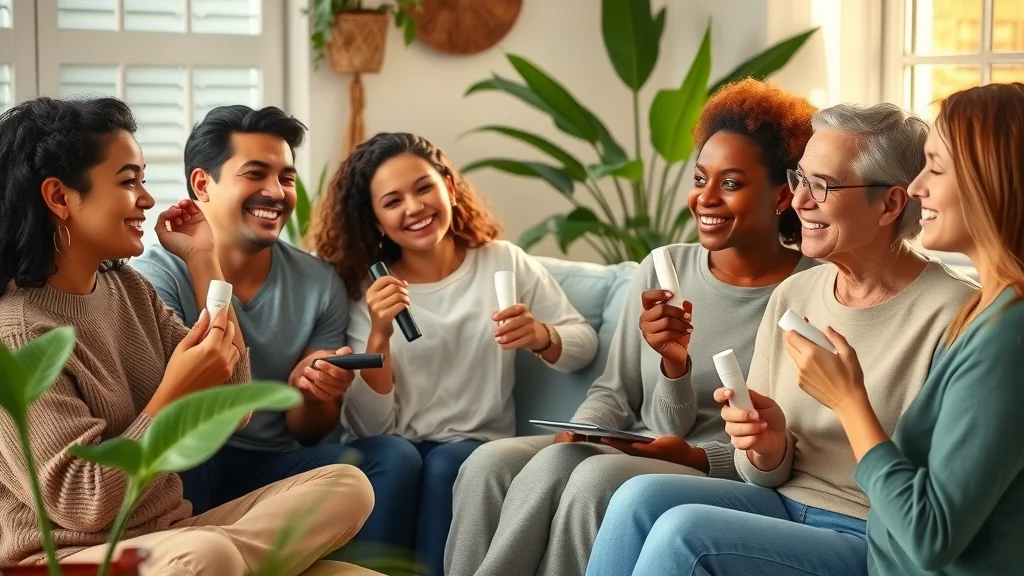
Happy diverse group sharing skincare tool stories, holding LED masks and microcurrent devices; real user reviews.

"I was skeptical about spending over $200 on a LED mask, but after four weeks my skin texture has never looked better," shares Melanie, a 33-year-old beauty enthusiast. "My breakouts are fewer, and my face feels firmer and looks more luminous." Another user, Adam, praises his microcurrent care tool: "It’s like a mini face workout—I definitely notice my cheekbones looking more lifted and my skin smoother. Consistency and the right product make all the difference."

Real people report visible changes when following proper routines, validating the importance of researching and correctly using advanced skincare tools. Honest reviews consistently emphasize that while these devices work wonders, they’re not miracle fixes—patience, correct usage, and realistic expectations are essential.

Expert Opinions: Dermatologists on Professional Facial Tools

"Advanced skincare tools can successfully complement a solid skin care routine—when chosen and used correctly."

Leading dermatologists agree: when facial tools are used with care, they enhance the benefits of topical skin care products and maintain results between professional treatments. Experts recommend choosing FDA-cleared devices, keeping hygiene top of mind, and consulting professionals if you have underlying conditions or sensitive skin. The bottom line? Technology works best as part of a comprehensive, informed approach—never as a replacement for expert guidance or common sense.

Dermatologists warn against overuse or using too many devices simultaneously, which can sensitize or even damage your skin’s barrier. Integrating advanced skincare tools gradually and being attentive to any reactions is key to ensuring safety and maximizing payoff.

People Also Ask: Advanced Skincare Tools

What are the benefits of using advanced skincare tools?

Advanced skincare tools provide benefits such as enhanced absorption of serums, reduced appearance of fine lines and wrinkles, improved skin texture, and more targeted treatment for specific skin concerns (like acne or dullness). With consistent, correct use, these devices often provide faster, more dramatic results than skincare products alone, making them a valuable addition to any care routine.

Can advanced skincare tools replace professional facial treatments?

Although advanced skin care tools deliver noticeable improvements, they’re best viewed as a complement—not a complete replacement—for professional facials or treatments. Home devices offer convenience and maintenance, but professional-grade tools used in a clinical setting are often more powerful and tailored for dramatic transformation, especially for deep or stubborn skin concerns.

Are LED light therapy devices safe for home use?

Most LED light therapy devices, like LED masks, are safe for home use when you follow the manufacturer’s guidelines. Look for FDA-cleared devices from reputable brands. However, misuse—such as overexposure or using the wrong wavelength—can cause dryness or irritation. Always start slow, and ask a professional if you’re unsure about suitability for your skin type.

How often should I use advanced skincare tools in my routine?

Frequency depends on the care tool type and your unique needs. Most LED masks or microcurrent devices can be used a few times a week, while facial rollers and some massagers may be safe for daily use. It’s critical to read recommendations specific to your device, monitor your skin’s response, and adjust as necessary for optimal results without overdoing it.

What mistakes do most people make with advanced skincare tools?

The most common mistakes include choosing a skincare tool unsuited for your skin, neglecting device hygiene, overusing devices, or skipping safety steps. These can reduce effectiveness or even lead to irritation. Always research before purchase, follow instructions exactly, and consult an expert for stubborn skin concerns or if adverse reactions occur.

FAQs About Advanced Skincare Tools

  • Do advanced skincare tools work for all skin types?

  • How long before I see results with a skin care tool?

  • How do I clean and maintain my skincare tool?

  • What precautions should I take when using facial tools?

  • Are there professional facial tools recommended for sensitive skin?

Advanced skincare tools are often suitable for most skin types, but always check the manufacturer’s guidelines or consult a dermatologist for best results—especially for sensitive skin. Results usually begin to show after 2–4 weeks of consistent use, depending on the technology and your skin’s starting condition. Prevent issues by cleaning your skin care tool after every use with alcohol wipes or gentle cleansers, and never share devices to maintain hygiene. If unsure, seek professional advice before introducing a new device.

Tips from Estheticians on Proper Usage

Estheticians stress the importance of reading manuals, starting with gentle sessions, and building up over time rather than rushing results with new facial tools. Keeping skin and devices clean, storing them properly, and never ignoring irritation signs can help sidestep common pitfalls. Many recommend pairing devices with targeted care products (like serums or gels) and never using lower-quality or counterfeit devices that lack safety certifications.

These expert tips can turn an average skincare tool routine into a high-performing, safe self-care ritual with lasting benefits. As technology evolves, being an informed and cautious user is key to enjoying spa-like results without regret or skin health compromise.

Key Takeaways: Getting the Most Value from Your Advanced Skincare Tools

  • Select products based on your skin’s needs and quality benchmarks

  • Follow usage instructions and avoid shortcuts

  • Ask for expert advice before investing in costly tools

Ready to Upgrade Your Beauty Routine with Advanced Skincare Tools? Shop Our Curated Collection Today

Are you ready to experience the real power of advanced skincare tools—without the costly mistakes? Explore our hand-picked selection of dermatologist-recommended, best-selling skin care devices and upgrade your beauty routine with confidence!

Aesthetic Innovation

Write A Comment

*
*
Related Posts All Posts

Digital Beauty Solutions You Can’t Afford to Miss Today

Did you know? According to recent studies, the global digital beauty solutions market is projected to surpass $15 billion by 2025—a testament to the surging influence of technology in redefining beauty experiences. In today’s fast-paced beauty industry, digital beauty solutions are not just buzzwords—they’re radically changing how we approach skin care, select beauty products, and interact with our favorite beauty brands. Welcome to a world where your smartphone can analyze your skin, AI technology can handpick your perfect foundation, and virtual makeup try-ons make shopping for lipstick shades from home a reality. This article dives deep into the essential digital beauty solutions revolutionizing the beauty tech sector, why you can’t afford to ignore them, and how they will shape your beauty experience both now and in the future.A Startling Look at Digital Beauty Solutions: Changing the Face of Beauty TechDigital beauty solutions represent the forefront of the beauty tech movement—a space where innovation meets daily routines, and where traditional beauty applications are giving way to a new era of personalization and technological efficiency. As the global market for beauty tech grows at breakneck speed, consumers are seeing tangible benefits in their daily skin care regimens and shopping experiences. Beyond vanity, these tools are driven by a consumer demand for accuracy, ease, and product development that keeps pace with lifestyle and technology shifts.The evolving relationship between algorithms, artificial intelligence, and consumers means that today’s beauty solutions go far beyond surface-level appeal. Brands now harness advanced skin analysis and data-driven insights to help users find the right products more efficiently than ever. From AI-powered skin care apps to virtual makeup try-ons, digital beauty solutions eliminate guesswork and provide a shopping experience that’s as educational as it is enjoyable. This new frontier places power in the hands of the beauty consumer, offering product recommendations and diagnostics suited to individual needs and preferences. As beauty brands rapidly invest in these innovations, digital beauty is no longer a futuristic concept—it’s an integral part of the modern beauty experience."According to recent studies, the global digital beauty solutions market is projected to surpass $15 billion by 2025—a testament to the surging influence of technology in redefining beauty experiences."What You'll Learn About Digital Beauty SolutionsThe evolution of digital beauty solutions within the beauty tech spaceKey beauty product innovations shaping digital beautyHow digital solutions are personalizing skin care and consumer experienceThe future of digital beauty solutions and its impact on beauty brandsExpert and consumer perspectives on embracing digital advancementsDefining Digital Beauty Solutions in Modern Beauty TechWhat Are Digital Beauty Solutions?Digital beauty solutions encompass a diverse array of products, services, and tools that leverage technology—including AI, big data, and interactive platforms—to enhance the beauty experience. At their core, these solutions blur the line between personal care and technology by providing actionable skin diagnostics, virtual makeup tools, and personalized skin care routines that adapt in real-time to consumer preferences and needs.Imagine using a smartphone app for real-time skin analysis, which pinpoints issues ranging from dryness to blemishes with clinical-level accuracy. Or consider augmented reality applications that let customers “try on” lipsticks, foundations, or hair color, all from the comfort of their home. Digital beauty solutions address consumer demand for convenience, accuracy, and control, making beauty products and experiences more inclusive and tailored. Thanks to advances in AI technology and data analytics, digital beauty isn’t just transforming how we shop—it’s setting new standards for effectiveness and engagement within the beauty sector.The Intersection of Product Development and Digital BeautyProduct development in the beauty industry has been supercharged by the adoption of digital tools. Where once the process was manual and time-consuming, digital beauty solutions now streamlines every stage, from ideation to launch. Smart data collection, AI-infused formulations, and user feedback loops help beauty brands respond rapidly to consumer trends and desires, making new products both smarter and faster to market.By leveraging AI and generative AI, beauty companies can analyze mountains of user feedback, social media trends, and clinical data to refine or create new beauty products. This process not only results in better customization for the end user but also increases the adaptability of beauty offerings to meet consumer demand. The integration of digital beauty in product development empowers brands to predict trends, optimize ingredients, and deliver innovative experiences that keep them at the forefront of the beauty tech revolution."Digital beauty is not just a trend, but a revolution in how we create, experience, and customize beauty products."The Rise of Digital Beauty Tech: Product Development and InnovationHow Beauty Tech is Powering New Beauty Product DevelopmentBeauty tech isn’t simply a futuristic vision—it’s actively changing the way beauty products are developed today. The integration of AI algorithms enables brands to test thousands of product formulations virtually before a single one reaches the consumer. This minimizes waste and streamlines the innovation process, leading to more sustainable product pipelines. With machine learning, brands can predict ingredient reactions, optimize production, and craft personalized skin care regimens tailored to unique skin profiles.AI-powered innovation doesn’t just live in R&D labs. Beauty brands bring these technologies directly to their audiences—via apps that recommend skin care or hair color products based on individual skin analysis data. This adaptability ensures that products match the specific needs and lifestyles of users, enhancing consumer engagement. As shoppers become savvier and demand more personalized experiences, incorporating digital beauty solutions has become essential for product development teams aiming to meet and exceed evolving consumer expectations.Key Innovations in Digital Beauty SolutionsDigital beauty solutions have spawned a host of innovations that have moved from science fiction to mainstream reality. These advances include AI-powered skin diagnostics, interactive apps that offer personalized recommendations, and augmented reality tools for virtual beauty trials. Each innovation enhances the consumer experience, offering convenience, accuracy, and fun in equal measure. For example, a smartphone’s camera paired with an AI program can reveal underlying skin conditions, recommend optimal routines, and even link to e-commerce sites for easy purchasing.What sets these technologies apart is their emphasis on personalization and real-time feedback. Digital consultations use large-scale data analysis to customize product suggestions, meeting consumer demand for solutions that fit their individual lifestyles and concerns. Meanwhile, AR-based virtual makeup applications transform the shopping experience—removing uncertainty about shade selection and empowering users to experiment confidently. These and other advances position digital beauty as a leader in consumer engagement and satisfaction.Comparison: Traditional Beauty Product vs. Digital Beauty SolutionsCategoryTraditional Beauty ProductDigital Beauty SolutionsFeaturesFixed formula, broad recommendationsSmart technology, personalized recommendations, AI-powered diagnosticsEfficiencyManual selection, slower updatesReal-time analysis, faster product updates and insightsConsumer EngagementOne-way communication, limited feedbackInteractive, data-driven, personalized engagementAdaptabilitySlow adaptation to trends and needsAgile, responsive to changing consumer demands and tech advancesPersonalized Skin Care: How Digital Beauty Solutions Improve Skin DiagnosticsOverview: Skin Diagnostics in Digital Beauty SolutionsSkin diagnostics powered by digital beauty solutions mark a paradigm shift in how individuals manage their skin care routines. Traditionally, people relied on in-person consultations or self-assessments, which could be limited or subjective. Today, AI-driven skin analysis technology provides immediate, science-backed insight into everything from hydration levels to pigmentation and fine lines. This accurate diagnosis capability is particularly valuable in allowing beauty consumers to understand their unique skin profile, enabling more effective and personalized product choices.Digital solutions also enable repeated and ongoing diagnostics, so users can track progress or notice changes over time. This approach moves beyond what traditional beauty consultations could offer, putting the power of advanced skin care in the palm of everyone’s hand. For beauty brands, this means catering to individual needs at scale, enhancing both consumer satisfaction and long-term brand loyalty.Personalized Skin Recommendations Using Digital ToolsOne of the most powerful advantages of digital beauty solutions lies in their ability to deliver personalized skin care recommendations. By analyzing skin diagnostics data, AI-driven platforms create tailored product suggestions that align with user goals and skin types—whether it’s targeting acne, brightening, or anti-aging. Consumers get actionable, transparent, and trackable advice for every step of their beauty routine, bridging the gap between online convenience and in-store expertise.These digital tools eliminate guesswork, ensuring each user receives product options that fit their needs and preferences precisely. As beauty tech grows more sophisticated, so too does its ability to source, test, and deliver new product recommendations based on real-time data and user feedback, empowering consumers to take charge of their own beauty experience. Skin diagnostics has never been more accessible, accurate, or effective.Enhancing the Beauty Experience: Consumer Experience and Digital Beauty SolutionsHow Digital Beauty Solutions Transform the Beauty Consumer JourneyThe integration of digital beauty solutions transforms the entire beauty consumer journey, from initial product discovery to post-purchase engagement. Interactive platforms allow consumers to consult, shop, and experiment with products virtually, removing geographic and logistical barriers that once limited the beauty shopping experience. As brands deepen their investment in beauty tech, customers now enjoy a richer, more dynamic interaction with both brands and products.This transformation extends to customer support, with AI chatbots and digital experts providing round-the-clock advice based on skin diagnostics or previous purchase history. The value proposition for digital beauty is clear: consumers experience higher confidence in their purchases, reduce costly trial-and-error, and enjoy a more fun, immersive process. For beauty retail, this elevates customer loyalty and builds stronger community engagement.Virtual Try-Ons and the Future of Beauty ExperienceVirtual try-ons, powered by augmented reality (AR) and AI, are redefining what it means to shop for beauty products. Whether testing lipstick shades or experimenting with new hair color, consumers now make confident choices without leaving home. As AR technology becomes more advanced and user-friendly, the gap between digital and in-person shopping experiences is rapidly shrinking.These engaging digital tools allow users to see how different looks appear in real time, expanding possibilities for creativity and self-expression. This new frontier in beauty tech not only drives sales but also fosters a sense of community and excitement within the beauty sector. As consumers continue to seek convenience and personalization, virtual try-ons will remain a cornerstone of the modern beauty experience.Beauty Brands Leading the Way with Digital Beauty SolutionsTop Beauty Brands Investing in Digital Beauty Product DevelopmentInnovative beauty brands are at the helm of digital transformation, pioneering change in how beauty products are developed, marketed, and experienced. Industry leaders like L’Oréal, Estée Lauder, and Sephora have invested substantially in AI-powered platforms, skin analysis apps, and virtual try-on technologies, changing the expectations of consumers worldwide. By placing these cutting-edge tools at the forefront of product development, they not only meet consumer demand but also set new benchmarks for beauty tech excellence.These brands understand that the future of beauty relies on the ability to interact with consumers wherever they are—be it online, in-store, or on their smartphones. The success of digital beauty solutions among top-tier companies has triggered a ripple effect through the entire beauty sector, encouraging smaller brands to adopt similar innovations or risk being left behind in an ever-evolving marketplace. The investments made today will define the beauty brands of tomorrow.Success Stories: Real Impact of Digital Beauty Solutions on Brand LoyaltyDigital beauty solutions have delivered compelling results when it comes to building brand loyalty. Customer-centric innovations like ai technology skin analysis and AR-powered consultations delight users by solving real-world problems while offering unique, meaningful experiences. For example, when consumers use a brand’s interactive virtual makeup app and receive tailored suggestions, they’re more likely to return, recommend the brand, and feel valued within a broader beauty community.Global market research reveals that brands embracing robust digital platforms experience higher repeat purchase rates, longer customer lifecycles, and elevated overall satisfaction levels. When a beauty brand aligns innovation with authentic consumer needs, the result is long-lasting loyalty and a competitive edge in the rapidly evolving beauty industry.The Future of Digital Beauty Solutions: What's Next in Beauty Tech?Expert Opinions: The Future of Beauty and Digital Beauty SolutionsThe future of beauty is poised to be more digital, interactive, and personalized than ever. Industry experts agree: beauty tech will continue to spark innovation, with AI and data-driven solutions leading the charge. We’re moving towards an era where digital beauty solutions seamlessly integrate into lifestyles, offering not only enhanced skin care and beauty results, but also supporting holistic wellness. The next wave will likely bring even more immersive digital consultations, real-time co-creation of products, and bespoke ingredient blends based on ongoing biometric and environmental data.According to leading voices in product development and consumer experience, the convergence of generative AI and beauty data will unlock new opportunities for creativity and personalization. Beauty brands that embrace this shift will not just meet consumer demand—they’ll anticipate it, setting themselves apart through unique value offerings. As digital beauty becomes an essential part of daily life, both brands and users can look forward to an exciting, collaborative, and deeply satisfying beauty experience."The future of beauty is digital, interactive, and seamlessly integrated with each consumer’s preferences and lifestyle."Lists: Top 5 Digital Beauty Solutions Everyone Should KnowVirtual makeup try-on appsAI-powered skin diagnosticsPersonalized beauty product recommendationsAugmented reality beauty experience toolsDigital beauty consultationsPeople Also Ask About Digital Beauty SolutionsWhat are the main benefits of using digital beauty solutions over traditional methods?Digital beauty solutions provide unparalleled convenience, accuracy, and personalization when compared with traditional beauty routines. By utilizing AI-driven skin diagnostics, virtual try-ons, and real-time product recommendations, consumers address their specific skin care needs more effectively. These digital options also enhance consumer confidence, streamline shopping, and foster a more meaningful connection with brands—ultimately elevating the beauty experience.How do virtual makeup try-on and AR beauty tools work?Virtual makeup try-on and AR (augmented reality) beauty tools work by using advanced facial recognition and real-time rendering technology. Users simply use their smartphones or tablets to scan their faces, after which the app overlays digital representations of beauty products—like lipstick, hair color, or foundation. This empowers consumers to experiment with multiple looks instantly, reducing the hesitation or risk commonly associated with in-store purchases and enabling a more creative, informed shopping experience.Are digital beauty solutions safe for sensitive skin?Digital beauty solutions themselves work by providing information and recommendations based on virtual skin analysis and diagnostics; they don’t interact directly with skin. However, the safety of any suggested product depends on the individual’s unique sensitivities and the specific ingredients recommended. It’s essential to check personalized recommendations, consult professional advice when necessary, and patch-test new beauty products as directed—even when guided by digital tools.Can digital beauty solutions fully replace in-person consultations?While digital beauty solutions offer significant advances in accuracy, convenience, and personalization, they may not completely replace in-person consultations for everyone. For routine needs and initial assessments, digital tools provide robust, actionable insights. However, for complex concerns or clinical interventions, a combination of digital analysis and professional human expertise generally yields the best outcomes. Digital solutions are invaluable—but they complement rather than entirely replace traditional beauty advice.FAQs: Your Questions About Digital Beauty Solutions AnsweredWhat are the core benefits of digital beauty solutions for consumers?Core benefits include personalized recommendations, greater convenience, savings in time and money, and enhanced confidence in product choices. Consumers enjoy tailored experiences that grow smarter with every interaction.Are digital beauty solutions safe and reliable?Yes—most digital beauty platforms are built on evidence-based algorithms and continually refined data sets. While technology provides recommendations, always check credentials for any product or device, and consult professionals as needed for unique conditions.Can digital beauty solutions replace traditional consultations?They can supplement and sometimes replace traditional consultations for general guidance or routine updates, but in-person expertise remains valuable for complex or clinical situations.How do digital tools personalize the beauty experience?By collecting and analyzing personal data such as skin analysis images, lifestyle information, and ongoing user feedback, digital tools generate hyper-personalized product recommendations and routines tailored to each user’s needs.Key Takeaways: Digital Beauty Solutions at a GlanceDigital beauty solutions are transforming how consumers experience, select, and interact with beauty products.Leading beauty brands are investing in technology to enhance personalization and commitment.The future of beauty lies in interactive digital tools, AI, and data-driven innovation.Conclusion: Embracing Digital Beauty Solutions for an Enhanced Beauty ExperienceWhy NOW Is the Time to Explore Digital Beauty SolutionsThe world of beauty is changing, and digital beauty solutions have established themselves as essential to achieving optimal, personalized results. Embracing these advancements now anchors you on the leading edge of innovation, ensuring a beauty experience that’s truly your own.Discover the Power of Digital Beauty Solutions—Start Your Digital Beauty Journey Today!

Act Now: AI in Beauty Industry Is Revolutionizing Care

Did you know that over 30% of major beauty brands are now leveraging generative AI and artificial intelligence to innovate faster and deliver tailor-made routines to their customers? As AI in the beauty industry surges ahead, boundaries blur between high-tech advancements and the art of personal care. Today, groundbreaking AI tools are reshaping how brands develop beauty products, design personalized beauty routines, and connect with their customers on a whole new level. If you want to stay relevant—whether as a beauty enthusiast, professional, or curious consumer—now is the time to understand and embrace the transformative power of AI in beauty.Shocking Stats: Why AI in Beauty Industry Demands Immediate Attention"According to recent studies, over 30% of major beauty brands are investing heavily in gen ai and artificial intelligence for product development and customer experience."The beauty industry is experiencing a seismic shift, with over 30% of established beauty brands investing in AI technology for everything from product development to delivering truly personalized beauty experiences. These statistics underscore a rapidly evolving landscape where companies that delay AI adoption risk falling behind competitors who can innovate faster, deliver more personalized product recommendations, and analyze customer data with unparalleled accuracy. Consumers now expect smart solutions—be it advanced skin analysis, AI-driven product recommendations, or conversational AI-powered consultations—each designed to enhance the shopping experience and streamline personal care routines.This surge in AI adoption isn't just about following a trend; it's about staying competitive in a vibrant industry increasingly driven by consumer data, machine learning, and generative AI. AI in beauty brands enables faster, bespoke formulation processes, more effective marketing campaigns, and highly targeted customer engagement. With major players setting this benchmark, smaller beauty brands are quickly realizing the need to integrate AI models and AI tools or risk losing market share in an ever-evolving landscape.Exploring the 30% Rule: AI’s Penetration into Beauty IndustryThe “30% rule” in AI for beauty is more than a statistic—it's a tipping point. When nearly a third of the biggest beauty brands have adopted generative AI and artificial intelligence strategies, we’re experiencing a fundamental industry transformation. Generative AI empowers beauty brand innovators to accelerate product development, optimize the supply chain, and deliver fresh, data-driven solutions tailored to diverse consumer needs. This widespread integration signals that AI isn’t just a futuristic concept; it's a present reality, compelling even the most traditional brands to rethink their engagement and personalization tactics.Behind the scenes, advanced AI models analyze massive data sets from consumer interactions, product preferences, and skin analysis reports to predict trends, understand unique skin types, and suggest personalized products. For consumers, this means smarter product recommendations, better skin care routines, and enhanced self-expression made possible by a dynamic interplay of AI tools and human creativity. For brands, it’s an opportunity to achieve unprecedented precision in marketing, customer experience, and innovation, further emphasizing why acting now is critical.Redefining Beauty Routines: Unprecedented Impact of AI in Beauty IndustryAI is redefining the very concept of a beauty routine. With machine learning-powered skin analysis and AI technology, people can now enjoy a skincare routine built for their exact skin type, concerns, and lifestyle. AI-driven personalization transcends traditional “one-size-fits-all” approaches, enabling beauty brands to deliver truly personalized beauty through real-time consumer data, advanced computer vision, and predictive analytics. Customers no longer have to guess which products will work; they receive scientifically tailored solutions, enhancing both efficacy and satisfaction.Beauty brands leveraging conversational AI and generative AI are revolutionizing how consumers shop, discover, and experiment with beauty products. AI models now power digital advisors, virtual try-on tools, and even the development of entirely new product categories by identifying gaps in ingredients or implications for sensitive skin. This agile, personalized approach marks the dawn of a new era where artificial intelligence bolsters every step of the customer journey, making beauty care more enjoyable, efficient, and inclusive.What You'll Learn: The Impact and Promise of AI in Beauty IndustryHow generative ai transforms beauty brand strategiesThe future of personalized beauty routines through artificial intelligenceCritical insights into ai-driven customer experience improvementsThe potential impacts of conversational ai on product recommendations and skin analysisAI in Beauty Industry: Gen AI and the Rise of Generative AI for Beauty BrandsUnderstanding Gen AI and Its Role in Personalized BeautyGenerative AI (Gen AI) is the backbone of a new, highly personalized beauty industry. By harnessing advanced AI models and vast consumer data sets, beauty brands can now create intelligent cosmetic formulas and offer unique beauty product recommendations based on each customer’s needs. Gen AI is not just speeding up the pace of product development, it’s also enhancing the customer experience by integrating real-time feedback and consumer preferences directly into product lines, ensuring personalized beauty at scale.Through AI-powered skin analysis tools, machine learning-driven marketing campaigns, and predictive personalization, gen AI is democratizing access to high-quality, data-driven beauty. It’s making it possible for everyone—from beauty novices to skincare enthusiasts—to receive custom-tailored advice, improve their personal care routines, and experiment with beauty products that were designed with their individual skin type and lifestyle in mind. The impact is profound: brands can now anticipate shifts in consumer demand, optimize their supply chain, and redefine the benchmarks for customer experience in the beauty industry.How Generative AI Is Shaping Next-Gen Beauty Product Development"Generative ai is not just a tool—it’s the creative partner driving innovation in product recommendations and beauty routines." – Industry ExpertGenerative AI is the new powerhouse behind next-generation beauty products. By aggregating and interpreting consumer data from diverse touchpoints—think social media interactions, e-commerce preferences, and skin analysis results—AI tools help beauty brands anticipate what consumers want before they even ask for it. This predictive prowess enables brands to develop bespoke formulations, Limited-Edition collections, and dynamic product lines that respond swiftly to market changes.For product development, generative AI enhances every step—from ingredients sourcing to manufacturing workflows. AI models simulate potential outcomes, optimize cost and efficacy, and flag potential product incompatibilities, reducing the risk of failed launches. This means fewer wasted resources and faster paths to market. By combining artificial intelligence with human expertise, beauty brands unlock levels of agility and creativity never seen before, ensuring their offerings remain irresistible in an ever-changing industry.Artificial Intelligence and Personalized Beauty: Customizing the Customer ExperienceConversational AI and Beauty Brands: Enhanced Product RecommendationsConversational AI is the beauty industry’s key to delivering instant, personalized, and engaging product recommendations both online and in physical stores. From AI-powered kiosks offering tailored product suggestions to chatbots guiding shoppers on e-commerce sites, conversational AI dramatically enhances the customer experience by making every interaction feel bespoke and attentive.Beauty brands deploying conversational AI tools set themselves apart by building stronger customer relationships. These virtual advisors use advanced AI models and customer data to understand individual preferences, skin types, and previous purchasing patterns. As a result, recommendations are not only more accurate but also foster a sense of trust and excitement, turning casual shoppers into devoted brand advocates. With AI handling inquiries 24/7, beauty professionals can focus on creative and personal aspects of the shopping experience, further elevating each consumer encounter.Skin Analysis Meets AI: A Game Changer for Personalized Beauty RoutinesAI-powered facial recognition for skin analysisCustomized product recommendations for diverse skin typesReal-time feedback to refine personal beauty routinesAI-powered skin analysis is taking personalized beauty to new heights by offering a data-driven approach to understanding and treating each individual’s unique skin needs. Advanced computer vision and machine learning algorithms can now assess dozens of parameters in seconds—detecting everything from hydration levels to signs of irritation or aging. This precise evaluation enables customized product recommendations that are truly matched to a person’s exact skin type, concerns, and environmental factors.For customers, this means no more guesswork when it comes to building a skincare routine. The combination of real-time feedback and AI-driven insights empowers consumers to make informed decisions, while also refining their beauty routines as their needs evolve. Beauty brands benefit from deeper insights into customer data, pushing the boundaries of personalized beauty and setting new standards for customer satisfaction in the beauty industry.Tables: Comparing AI Approaches in the Beauty IndustryType of AI TechnologyApplicationKey BenefitsTop Beauty BrandsGen AIProduct developmentFaster innovation, bespoke formulationsL’Oréal, Estée LauderConversational AICustomer serviceImproved engagement, 24/7 supportSephora, OlaySkin Analysis AIPersonalized beautyAccurate diagnostics, tailored adviceNeutrogena, ShiseidoThe Evolution of Beauty Brands: Embracing AI in Beauty IndustryHow Beauty Brands Leverage AI for Product Development and Market DifferentiationBeauty brands that embrace artificial intelligence are stepping ahead in a fiercely competitive marketplace. By tapping into the power of gen AI and machine learning, brands are supercharging their product development pipelines, identifying market gaps, and reacting to customer feedback in real time. AI tools analyze vast databases of ingredient efficacy, safety records, and consumer preferences, enabling formulation of new beauty products that address unmet needs and unique skin types.This AI-fueled agility empowers brands to differentiate themselves, launch targeted marketing campaigns, and deliver innovative solutions faster than ever before. Whether through personalized skin care, hybrid beauty products integrating real-time skin analysis, or dynamic online shopping experiences, brands leveraging AI technology are defining what’s next in beauty. In essence, artificial intelligence is a catalyst for creativity, growth, and true innovation in the beauty industry.AI-Driven Customer Experience: What Sets Leading Beauty Brands ApartWhat truly distinguishes leading beauty brands is their ability to seamlessly blend AI-driven insights with human-centered service. AI models personalize every aspect of the customer journey, from virtual consultations to post-purchase care, while frontline professionals maintain an irreplaceable sense of empathy and artistic touch. Brands using customer data and AI models can better anticipate needs, resolve issues instantly, and build loyalty through meaningful, tailored interactions.The result is a new standard of excellence in customer experience—one where technology and tradition work hand in hand. This transformation is redefining consumer expectations and compelling all players in the beauty industry to revisit how they engage, delight, and empower their audiences with the help of AI.Risks, Rewards, and the Human Touch: My Perspective on AI in Beauty IndustryBalancing data-driven insights with traditional expertisePotential biases in AI algorithms and skin analysis toolsThe irreplaceable role of human creativity in beauty routines"While AI brings precision to personalized beauty, empathy and artistry remain at the heart of every beauty brand's mission." – Author’s POVAs much as AI offers speed, scalability, and personalization, the true spirit of beauty care still lies in the creative abilities and perceptive intuition of beauty professionals. While data-driven insights are invaluable for product recommendations and routine optimizations, it’s essential to address the risks—such as algorithmic bias and over-reliance on digital diagnostics. The most successful beauty brands will always be those who combine the precision of AI with the warmth and artistry that have defined the industry for decades.People Also Ask: Unpacking Common Questions About AI in Beauty IndustryWhat is the 30% rule in AI?Answer: The 30% rule in AI relates to the adoption rate among beauty brands investing in gen ai, signifying a tipping point where AI becomes mainstream in the beauty industry.Will AI replace Beauticians?Answer: AI in beauty industry augments, but does not fully replace, beauticians; rather, it supports beauticians by handling routine skin analysis and product recommendations, freeing up professionals for bespoke and creative tasks.How will AI change beauty careers?Answer: AI is shifting beauty careers towards more analytical and tech-driven roles, emphasizing a combination of customer experience expertise, data interpretation, and digital engagement, particularly for beauty brands.How big is the AI beauty market?Answer: The AI beauty market is rapidly growing, with estimates placing its global value in the billions; this growth is driven by widespread adoption of personalized beauty and generative AI technology.FAQs on AI in Beauty Industry: Everything You Need to KnowWhich beauty brands are leaders in AI adoption?Industry giants like L’Oréal, Estée Lauder, Sephora, and Olay are at the forefront, harnessing gen AI, artificial intelligence, and conversational AI tools to personalize product offerings, streamline the supply chain, and elevate the shopping experience.How does skin analysis improve personalized beauty routines?AI-powered skin analysis employs advanced computer vision and data sets to evaluate individual skin conditions, identify unique concerns, and provide tailored beauty product recommendations, elevating the effectiveness of every skincare routine.What are the privacy implications of AI in the beauty industry?As beauty brands collect more consumer and customer data for improved personalization, transparency and responsible data management become critical to minimize risks and foster trust. Leading brands adhere to stringent privacy standards and communicate their data practices openly.Go behind the scenes in a digital tour where AI scientists, cosmetic chemists, and engineers collaborate on next-gen beauty innovations—witness firsthand how artificial intelligence is reshaping beauty routines, product development, and customer experiences worldwide.Key Takeaways: AI in Beauty Industry’s Present and FutureGen ai and artificial intelligence are driving transformation in product development and customer experiencePersonalized beauty is now achievable at scaleAI doesn't replace human creativity—it enhances itWhy You Should Act Now: Join the AI in Beauty Industry RevolutionIf you want to experience the most effective, enjoyable, and personalized beauty care available, there’s no better time to embrace the AI revolution in beauty. Explore, question, and participate—let technology and creativity work together to inspire your next beauty routine.

Unveil Aesthetic Technology Advancements That Wow Experts

Did you know that over 68% of aesthetic clinics now employ artificial intelligence-driven tools for diagnostics and treatment planning—a leap that experts say is rewriting the rulebook for modern aesthetic care? In an era where beauty and technology merge, aesthetic technology advancements are transforming not just faces but the very foundation of the aesthetics industry. From AI skin analysis to non-invasive procedures promising near-instant results, the pace of change is nothing short of astounding. This article unpacks how pioneering aesthetic treatments are setting new benchmarks for precision, safety, and patient customization—leaving industry veterans and newcomers equally awed.Revealing the Unseen: How Today’s Aesthetic Technology Advancements Wow ExpertsToday’s aesthetic technology advancements have reached an unprecedented level, bridging the gap between science and the pursuit of beauty. Experts in modern aesthetic medicine are particularly impressed by how seamlessly new tools and techniques unite patient safety, comfort, and customized outcomes. Imagine AI-powered diagnostics that identify skin types and conditions with clinical accuracy, or smart lasers that target fine lines and hyperpigmentation with sub-millimeter precision. This isn’t just hype—these advances are raising the bar for the entire aesthetics industry, transforming the aesthetic treatment landscape into one that prioritizes both innovation and individual patient experience.What sets these technologies apart is their capacity to make aesthetic treatments smarter, safer, and more inclusive. With rapid developments like virtual skin mapping, machine learning-enhanced treatment plans, and diverse solutions for different skin types, practitioners now have an expanded toolkit designed to maximize results while minimizing risk. Industry leaders agree: modern aesthetic care is shifting from a “one size fits all” approach to tailored, goal-driven experiences that leverage advancements in technology every step of the way.Startling Statistics: The Rapid Rise of Aesthetic Technology AdvancementsThe numbers reveal a striking transformation. Recent reports show aesthetic technology’s global market is projected to exceed $20 billion by 2025, fueled by double-digit growth in non-invasive and AI-based procedures. Approximately 60% of clinics introduced at least one new device—like fractional lasers or computerized skin analysis platforms—within the past two years, up from 38% just five years ago. Clinical studies also confirm these advancements aren’t just more prevalent—they’re improving efficacy. Patient satisfaction rates for personalized laser treatments and AI-guided injectables have climbed above 90%, signaling that the aesthetics industry is not just evolving, but accelerating towards more sophisticated, science-backed approaches.For practitioners and clients alike, the implication is clear: keeping pace with aesthetic technology advancements is crucial not only for achieving optimal outcomes but also for maintaining industry relevance. From streamlined recovery times to longer-lasting results and increasingly natural aesthetics, the data shows these technologies are wowing both seasoned experts and new adopters across the globe.Editor’s Viewpoint: The Impact of Modern Aesthetic Advancements on Everyday LifeAs someone who has been closely following the modern aesthetic boom, it’s impossible to miss how technological innovation has democratized beauty. Smart devices and AI algorithms aren’t just reserved for high-end clinics in global capitals—they’re now accessible in local practices everywhere. This shift empowers everyday people to pursue treatments once considered elite, adjusting for skin type, budget, and lifestyle. Furthermore, the ongoing evolution in aesthetic medicine is also fostering broader conversations about self-expression, mental well-being, and the societal definition of beauty.However, these shifts also come with thoughtful considerations. As technology multiplies choices and outcomes, it challenges both practitioners and patients to stay educated and realistic about expectations. For consumers, the opportunity to experience aesthetic technology advancements tailored to their exact needs can be transformative. For providers, integrating these advancements responsibly is essential to sustaining trust and delivering on the promise of safer, smarter, and more inclusive aesthetic treatments.What You'll Learn About Aesthetic Technology AdvancementsThe latest breakthroughs in aesthetic medicine and technologyHow artificial intelligence is shaping aesthetic treatmentsThe evolution of the aesthetics industryBenefits and considerations of new aesthetic treatment approachesEvolution of Aesthetic Medicine: Major Advancements Shaping Aesthetic TreatmentsFrom Ancient to Modern Aesthetic: Historic Milestones and Recent LeapsThe journey from herbal poultices in ancient Egypt to digital skin diagnostics in today’s modern aesthetic clinics is remarkable. Early aesthetic treatments prioritized natural ingredients and rudimentary techniques—safe by the standards of their day but limited in both scope and outcomes. By the twentieth century, surgical interventions like facelifts and early dermal fillers set the stage for what the aesthetics industry could become.The last two decades, however, have unleashed a wave of historic leaps, powered by innovations such as laser therapy, radiofrequency devices to stimulate collagen production, and injectables like hyaluronic acid fillers. Most significantly, the digital revolution has put artificial intelligence and machine learning at the heart of clinical decision-making, optimizing treatment plans for individual needs. Newer modalities, such as regenerative medicine and non-surgical skin rejuvenation, offer high-impact results with less downtime—redefining what is possible in the realm of aesthetic medicine.Cutting-edge Devices: What Sets Today’s Aesthetic Technology Advancements ApartWhat truly distinguishes today’s aesthetic technology advancements is the integration of smart devices, real-time data, and nuanced patient feedback. Developments in high-precision laser treatments now allow for targeted removal of pigmentation, resurfacing skin, and minimizing fine lines—all with minimal discomfort and reduced recovery time compared to traditional, more invasive treatments. These devices adjust energy output and cooling dynamically, improving the experience for every skin type and safety profile.Equally game-changing are devices driven by artificial intelligence—from facial analysis cameras that recommend precise product regimens, to robotic injectors that achieve consistent, natural enhancements. Together, they give providers unprecedented control while letting patients visualize potential results through augmented reality previews. This patient-centric era means safer, predictable outcomes and enables the aesthetic medicine community to focus on longevity, wellness, and holistic care rather than mere aesthetics."Modern aesthetic technology isn’t just about looking good—it's about safer, smarter patient experiences." — Leading Aesthetic Medicine ExpertArtificial Intelligence and the Future of Personalized Aesthetic TreatmentHow AI Revolutionizes Personalized Treatment PlansIn the past, aesthetic treatments often followed standard protocols, with providers fine-tuning approaches over repeated visits. Today’s artificial intelligence capabilities are radically changing this dynamic. AI analyzes numerous data points—from images of the patient’s skin type and texture, to their genetic predispositions and lifestyle factors. The result: personalized treatment plans that not only address visible concerns like fine lines, discoloration, or acne, but do so with unparalleled accuracy and predictive insight.This shift means greater precision in matching patients to the right procedure or product, minimizing the risk of adverse reactions across diverse skin types. As AI models become more sophisticated—integrating feedback from thousands of cases—they continually improve, helping providers keep treatments up-to-date with the latest clinical evidence. The ability to offer truly individualized care isn’t a distant future; it’s the standard being set now, earning trust and positive outcomes for clients of every demographic.Smart Diagnostics: Enhancing Skin Type PrecisionModern diagnostic platforms have transformed skin type analysis from a basic visual check to a science-supported, data-driven process. Using high-resolution imaging and AI algorithms, these tech solutions assess pigmentation, pore size, hydration, and even early signs of aging or skin conditions that aren’t visible to the naked eye. This upgrade is crucial for people whose skin type doesn’t fit traditional classification systems—it means they receive care responsive to their unique makeup, avoiding overtreatment or misdiagnosis.These diagnostics also make it easier for practitioners to track progress and fine-tune ongoing treatment plans. With machine learning continually analyzing new data, recommendations get more accurate and effective, tailoring skincare regimens for every patient. This not only boosts confidence in the provider-patient relationship but sets the groundwork for a new era of aesthetic medicine—where outcomes are as objective as they are beautiful."Artificial intelligence brings a future where every treatment is uniquely tailored."Key Trends in Minimally Invasive and Non-Invasive Aesthetic TreatmentsLess is More: The Popularity of Minimally Invasive ProceduresThe pendulum in aesthetic care has decisively swung towards minimally invasive and non-invasive procedures. No longer do patients need to undergo lengthy, painful surgeries to achieve the results they want. Thanks to advancements in technology—including microneedling, energy-based devices, and injectables—clients enjoy transformative changes with less discomfort, shorter recovery time, and lower risks.Practitioners now use techniques like targeted botulinum toxin injections, precision fillers, high-frequency ultrasound, and fractional laser therapy to address everything from skin laxity to pigmentation and even acne scars. The result? Popularity is soaring, particularly among younger generations who want quick enhancements that fit their fast-paced lifestyles. These procedures are opening doors for more people and making aesthetic treatments a viable, mainstream option for preventative aging and self-care.Rise of Skin Rejuvenation and Advanced Laser TreatmentsSkin rejuvenation technologies are at the forefront of aesthetic technology advancements, offering solutions that were impossible just a decade ago. Devices harnessing precise laser wavelengths and radiofrequency energy can now stimulate collagen production deep within the skin, leading to firmer texture, improved elasticity, and faded signs of aging. These systems adeptly target hyperpigmentation, vascular lesions, and fine lines, customizing settings for different skin types without significant downtime.Advanced laser treatments integrate cooling mechanisms and AI-based real-time adjustments, minimizing the risk of burns or side effects—especially for patients with darker skin types, which previously limited their options. The upshot: better results in both the short and long term, and a surge in consumer confidence that is fueling the aesthetics industry’s expansion. In-clinic advancements now inspire at-home devices, empowering patients to extend skin rejuvenation benefits between visits, accelerating the shift to holistic, patient-directed care.Reduced Recovery Time: Improving Patient Experience in Modern Aesthetic TreatmentsGone are the days of prolonged swelling or hidden convalescence after an aesthetic procedure. Thanks to innovations in non-invasive and minimally invasive treatments, recovery time has shrunk significantly. Many leading-edge devices cause little to no downtime—patients can often return to work or social events the same day. This is a major reason why experts and consumers alike prefer modern aesthetic treatments over traditional, more invasive options.Shorter recovery time isn’t just a convenience; it’s a transformation in patient experience. Better pain management, gentler aftercare requirements, and rapid improvement in skin texture and appearance mean that today’s treatments are safer, more accessible, and far more satisfying. As providers refine protocols and leverage the best of aesthetic technology advancements, clients gain the confidence to pursue their aesthetic goals with less disruption to their everyday lives.Aesthetic Technology Advancements Driving the Regenerative Medicine RevolutionBiotechnology Meets Beauty: Stem Cells and PRP in Aesthetic MedicineThe convergence of biotechnology and aesthetic medicine has ushered in revolutionary approaches to anti-aging and tissue regeneration. Two standout modalities—platelet-rich plasma (PRP) therapy and stem cell treatments—are turning back the clock not by masking signs of aging, but by harnessing the body’s own innate healing power. PRP uses a patient’s own blood plasma (rich in growth factors) to stimulate collagen production, encouraging lasting improvements to skin texture and vitality.Stem cell therapies represent the next frontier in regenerative medicine for aesthetics, offering even greater potential to repair cellular damage, address scars, and restore youthful skin. Together, these options stand apart for their ability to deliver natural-looking, long-term results—especially when paired with other aesthetic treatments like laser therapy. As this field evolves, industry leaders predict that regenerative medicine will become central to holistic, preventative aesthetic care, shifting focus from correction to rejuvenation and preservation.Mesotherapy and New-Generation Injectable SolutionsModern mesotherapy—a technique involving microinjections of vitamins, enzymes, and other bioactive agents—has received substantial upgrades thanks to better delivery devices and scientifically optimized formulas. Today’s injectables go far beyond basic fillers, providing nutrition directly at the cellular level, improving elasticity, hydration, and even correcting pigment imbalances. These new-generation injectables complement skin rejuvenation efforts, addressing both cosmetic and therapeutic concerns without surgical intervention.The emphasis now is on personalized treatment—selecting the right blend for an individual’s skin condition and aesthetic goals. By incorporating data from smart diagnostics, practitioners ensure products meet the exact needs of each patient, maximizing results and reducing risk. It’s a potent example of how aesthetic technology advancements are redefining what’s possible, pushing the frontier on lasting beauty and wellness from the inside out."Regenerative approaches are setting new standards for long-term aesthetic treatment results."The Role of the Aesthetics Industry in Shaping Modern Lifestyle PracticesConsumer Demands and Gen Z: Why Younger Generations Embrace Aesthetic Technology AdvancementsThe youngest cohort of beauty consumers—Gen Z—are shaping the direction of the aesthetics industry in profound ways. Digital natives by definition, they overwhelmingly value innovation, diversity, and rapid results. This group’s appetite for aesthetic technology advancements is fueled by access to trends on social media, increased cultural pressure for image-consciousness, and the promise of treatments that are minimally invasive, highly effective, and tailored to their unique skin types and self-expression goals.Clinics and brands have responded in kind, embracing advanced diagnostics, inclusive product lines, and speedy, low-downtime procedures. For Gen Z, and increasingly for Millennials, these possibilities make personal enhancement not just acceptable but aspirational—and accessible. The trends point to continued industry growth powered by younger generations’ openness to trying new technologies and sharing their journeys online, setting new norms for both beauty and self-confidence.The Global Aesthetics Industry: Market Growth and Economic ImpactThe economic footprint of the aesthetics industry is expanding globally. Market analysts point to emerging economies adopting new technologies at accelerated rates, making advanced treatments more broadly accessible. With double-digit growth rates in Asia-Pacific, the Middle East, and South America, aesthetic technology advancements are no longer concentrated in Europe and North America—they’re part of a worldwide movement that is democratizing access to top-tier aesthetic treatments.This robust market activity boosts competition, which in turn drives further innovation in devices, products, and patient care models. The ripple effects include increased job creation, more stringent regulatory frameworks, and better education for both patients and providers, reinforcing the industry’s overall direction: safe, effective, and personalized aesthetic medicine for a global audience.Influencer Culture and Changing Attitudes Toward Aesthetic TreatmentsInfluencer culture—fueled by visual storytelling platforms like Instagram and TikTok—has redefined public perception of aesthetic medicine. Influencers share unfiltered before-and-after photos, educate followers about aesthetic technology advancements, and normalize talking openly about procedures that were once private or taboo. As a result, attitudes toward treatments have shifted from skepticism to curiosity to active endorsement, with transparency and authenticity set as new standards for the aesthetics industry.This behavioral shift boosts demand for “Instagrammable” treatments with minimal recovery time, pushing providers to innovate and brands to offer increasingly sophisticated at-home and in-clinic devices. Ultimately, influencers act as both trendsetters and consumer advocates, ensuring patients enter the clinic well-informed and with realistic expectations in our rapidly evolving, tech-driven beauty landscape.Controversies and Criticisms: The Debate Surrounding Advanced Aesthetic TreatmentsBalancing Beauty with Ethics: Social and Clinical ConcernsDespite their promise, aesthetic technology advancements are not without ethical debates. Critics raise concerns about over-promising results, inappropriate marketing to vulnerable populations (including teens), and the potential for technology to amplify beauty pressures or biases. Others fear clinical shortcuts or “one-size-fits-all” solutions that ignore deeper psychosocial factors behind aesthetic treatment choices.These issues underscore the importance of strict ethical guidelines, robust informed consent processes, and transparent patient-practitioner communication. As the aesthetics industry continues to innovate, it must ensure technology improves lives holistically—never sacrificing well-being or dignity for novelty or profit. Engaged, ethical leadership is needed to safeguard both individual patients and public trust in aesthetic medicine.Regulation, Accessibility, and Inclusivity in Modern Aesthetic TreatmentThe fast-moving pace of innovation has challenged regulators to keep up. Ensuring the safety and efficacy of new technologies is of paramount importance—not just for device approval, but for how procedures are performed and who can access them. There is a growing movement toward increasing inclusivity for all skin types, ages, and communities, but gaps remain, especially in affordability and geographical reach.Policy makers, professional organizations, and industry leaders are working to close these gaps through evidence-based best practices, standardized credentialing, and equitable access initiatives. The future success of aesthetic medicine depends on timely regulation and the industry’s willingness to place patient well-being at the core of every aesthetic treatment."Innovation must walk hand-in-hand with caution in the aesthetics industry."Table: Comparing Leading Aesthetic Technology AdvancementsTechnologyApplicationInvasivenessRecovery TimeEffectivenessLaser TreatmentSkin RejuvenationMinimally invasiveShortHighAI-Based DiagnosticsPersonalized TreatmentNon-invasiveNoneHighPRP TherapyRegenerative MedicineMinimally invasiveModerateMedium-HighInjectable Skin BoostersMoisturization, ElasticityMinimally invasiveShortMediumExpert Opinions: Quotes From Aesthetic Medicine Leaders on Technology Advancements"The future of aesthetic treatment depends on ethical integration of AI and biotechnology."Future Prospects: What’s Next for Aesthetic Technology Advancements and the Aesthetics Industry?Emerging Innovations Poised to Disrupt the MarketBeyond today’s breakthroughs, several promising innovations are on the horizon. Advances such as gene-editing aesthetics, next-generation biosensors for real-time monitoring, and telehealth platforms powered by AI stand to further streamline and personalize aesthetic medicine. The field is also exploring 3D bioprinting for tissue repair, wearable skin rejuvenation patches, and smart at-home diagnostics, extending access and results well beyond the clinic.Experts predict that as these technologies become mainstream, they’ll accelerate the trend toward holistic wellness—fusing aesthetic enhancement with health optimization. Startups and established firms alike are investing heavily in R&D, signaling a future where cosmetic outcomes, prevention, and longevity are inextricably linked by aesthetic technology advancements.Forecasting the Role of Artificial Intelligence and Personalized CareThe central role of artificial intelligence is set to deepen over the next decade. Future platforms will not only suggest treatment plans but also monitor progress in real time, adjusting regimens as results unfold. Wearable technology connected to cloud-based analytics could provide continuous skin health insights, while AI-enabled virtual consultations promise broader, more equitable access to aesthetic treatments even in underserved regions.Such systems will put personalized care at the heart of every interaction, allowing patients to visualize outcomes before committing to treatments and ensuring care plans are dynamic, data-driven, and individually optimized. This is modern aesthetic care: adaptable, responsive, and relentlessly focused on the patient’s evolving needs.Predictions: Sustainability, Tech Integration, and Patient-Centric SolutionsLooking ahead, the trajectory points toward sustainable, patient-centric practices. Expect a surge in eco-friendly packaging, cruelty-free innovations, and energy-efficient device manufacturing. Integrated treatment solutions—combining digital diagnostics, AI, and regenerative techniques—will become the norm rather than the exception, offering seamless care and minimizing the environmental footprint of the aesthetics industry.Patients will demand—and receive—solutions that not only rejuvenate appearance but support long-term wellness, inclusivity, and ethical transparency. As technology and humanity intersect ever more closely, the future belongs to those who balance innovation with responsibility, shaping a world where aesthetic technology advancements truly benefit all.People Also Ask: Insights on Aesthetic Technology AdvancementsWhat is the new technology in aesthetic medicine?Aesthetic medicine has recently adopted advanced AI-powered diagnostic tools, novel laser treatments, and regenerative approaches like stem cell and PRP therapies, representing some of the most innovative technological breakthroughs in aesthetic treatments.Why is Gen Z so obsessed with aesthetics?Gen Z’s obsession with aesthetics is driven by social media influence, a desire for self-expression, and access to safer, minimally invasive aesthetic technology advancements that offer quick, personalized results.What are aesthetics in technology?In technology, aesthetics refers to the design, feel, and overall appeal of technological devices and interfaces, as well as how these elements enhance the user experience in modern aesthetic treatments.What is 2000s tech aesthetic called?The 2000s tech aesthetic is often referred to as ‘Y2K aesthetic’, characterized by futuristic designs, bright colors, and digital motifs that influence both product development and contemporary aesthetic technology advancements.Lists: Top 5 Aesthetic Technology Advancements That Experts Are WatchingArtificial intelligence in diagnostics and treatment plansHigh-precision laser treatments for diverse skin typesNon-surgical skin rejuvenation devicesRegenerative medicine with PRP and stem cell therapiesWearable tech for at-home aesthetic treatment and monitoringFAQs: About Modern Aesthetic Technology AdvancementsHow safe are the latest aesthetic technology advancements?Most modern aesthetic technologies undergo rigorous clinical testing and are approved by regulatory agencies. When performed by qualified practitioners, these advancements are considered safe and produce reliable outcomes, though individual suitability always depends on personal health factors.Can these advancements address all skin types and concerns?Yes, many new technologies are developed specifically to treat a wide range of skin types and concerns, making treatments more inclusive. However, a tailored consultation is essential to ensure best results for individual needs.What is the cost difference between traditional and modern aesthetic treatments?Modern treatments, especially those using advanced devices or AI diagnostics, may have a higher upfront cost but often require fewer sessions, have shorter recovery times, and yield more predictable results, potentially offsetting the investment over time.Are results from new technologies long-lasting?Many contemporary technologies—such as regenerative medicine and laser rejuvenation—offer longer-lasting results compared to traditional approaches, especially when paired with recommended follow-up care and maintenance.Key Takeaways: Aesthetic Technology Advancements Redefine the Aesthetics IndustryAesthetic technology advancements have transformed personalized treatment, safety, and recovery.AI and regenerative medicine are leading innovation trends.The aesthetics industry is adapting to consumer needs, especially among Gen Z.Ethics and regulation must guide future progress.Ready to Experience the Future? Consult an Expert on Aesthetic Technology Advancements TodayThe world of aesthetic medicine is evolving faster than ever—if you want tailored results, innovative procedures, and transparent guidance, don’t wait. Consult a qualified expert in modern aesthetic technology and discover what’s possible for your skin and aesthetic goals, today.Conclusion: The Ongoing Evolution of Aesthetic Technology Advancements in Modern Aesthetic MedicineAesthetic technology advancements continue to redefine the landscape of modern aesthetic medicine—delivering beauty, wellness, and empowerment through innovation, ethics, and personalized care.

Terms of Service

Privacy Policy

Core Modal Title

Sorry, no results found

You Might Find These Articles Interesting

T
Please Check Your Email
We Will Be Following Up Shortly
*
*
*