Add Row
Add Element
cropper
update

EternaWell Journal

Where Aesthetics Meet Longevity

update
Add Element
  • Home
  • Categories
    • Aesthetic Innovation
    • Longevity Science
    • Wellness Optimization
    • Skin Health & Dermatology
    • Mind-Body Beauty
    • Biohacking for Women
    • Business of Beauty & Wellness
    • Lifestyle & Inspiration
    • Longevity Essentials
November 07.2025
1 Minute Read

Decoding Ingredients: Peptides, Antioxidants, and Ceramides

Did you know? Over 80% of consumers admit they find skincare labels confusing, leaving most people blindly purchasing products that may not work for their skin type or needs. If you're determined to cut through the jargon and make informed decisions about the products you apply daily, knowing how to decode ingredients—especially active ingredients like peptides, antioxidants, and ceramides—is your essential first step.

Unlocking the Secrets: Why Decoding Ingredients Is Critical for Skin Care

Every day, shelves overflow with skincare products making big promises—fewer fine lines, glowing skin, and a stronger natural barrier. But the real secret to achieving these results is hidden in the ingredient list on each bottle. The truth: most consumers are swayed by marketing buzzwords on product labels, not by proven active ingredients listed—frequently in small print—on the back. Deciphering this list is more than marketing; it's about protecting yourself from ineffective formulas and potential allergic reactions often linked to unnecessary fillers and harsh cosmetic ingredients.

Understanding skincare labels empowers you to distinguish between what’s genuinely beneficial (think: peptides for strengthening, antioxidants for radical damage repair, ceramides for moisture sealing) and what’s simply marketing fluff. By learning how to decode ingredients, you’re better equipped to select care products tailored to your skin type and needs—reducing trial and error, saving money, and most importantly, protecting your health.
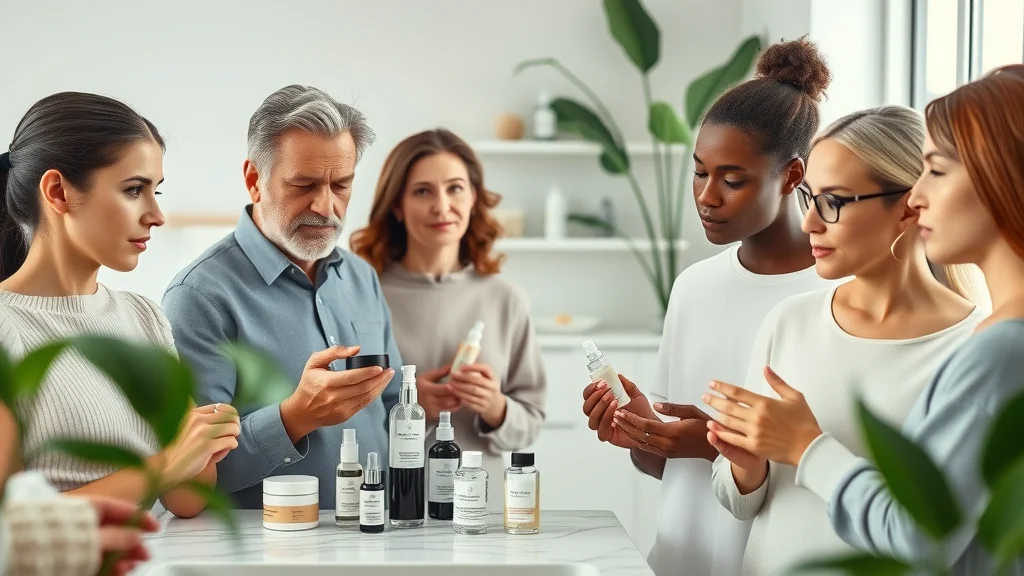
Modern skincare shelf scene with individuals examining cosmetic ingredient labels, decoding ingredients for skin care

Startling Facts About Active Ingredients in Skincare Labels

Active ingredients—such as peptides, antioxidants, and ceramides—are powerhouses behind truly effective skincare routines. Yet, many product labels bury these actives within long ingredient lists containing fillers, fragrances, and sometimes even harmful or unproven compounds (like sodium benzoate or potassium sorbate, which raise safety concerns in certain concentrations). Studies reveal that just a small amount—often less than 1%—of some actives is all that’s needed for clinical efficacy. But without knowing how to identify and quantify them, shoppers may be misled by claims on the front that don’t match what’s really inside.

Compounding the challenge, skincare labels are not always transparent about active ingredient concentrations or their scientific names (e.g., labeling peptides generically). This lack of clarity can increase the risk of allergic reactions, purchasing unnecessary care products, and wasting both time and money. The importance of decoding ingredients cannot be overstated: your skin’s health may depend on how well you understand, select, and trust those invisible compounds shaping your skincare routine.

What You'll Learn About Decoding Ingredients in Skin Care

  • How to analyze skincare labels and ingredient lists for maximum benefit
  • Identifying essential active ingredients like peptides, antioxidants, and ceramides
  • Understanding care labels and their impact on your choice of skincare products
  • Mastering the 1% rule and interpreting cosmetic ingredient concentrations

Ingredient List Decoded: Peptides, Antioxidants, and Ceramides Explained

Peptides: The Building Blocks in Active Ingredients
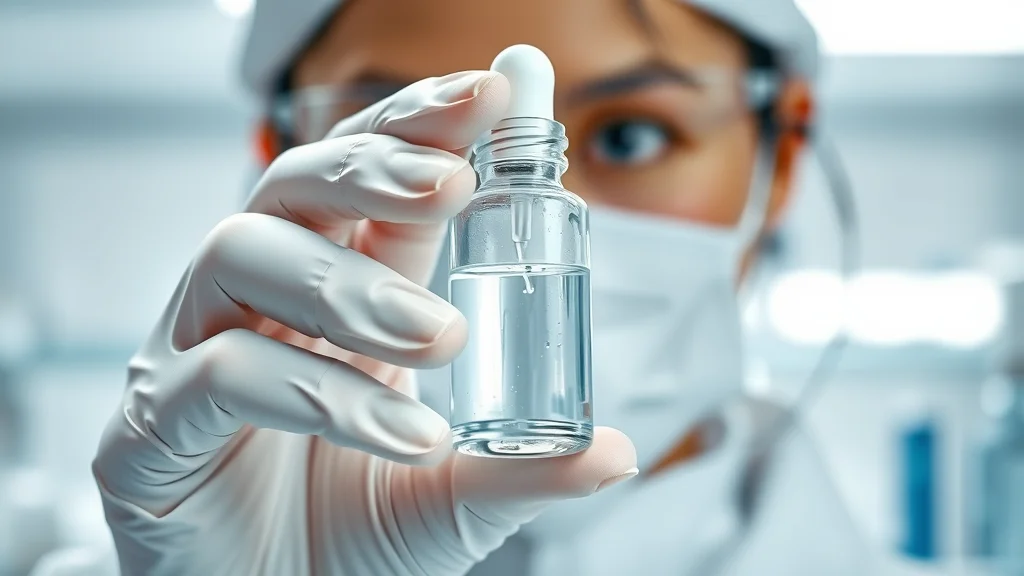
Macro closeup of skincare peptide serum, highlighting peptides in cosmetic ingredient lists

Peptides are short chains of amino acids—essentially the body's tiny messengers—tasked with signaling skin to repair and regenerate. In skincare products, peptides help address issues like fine lines by encouraging collagen production and strengthening your skin’s natural barrier. Skincare brands often feature specific types, such as palmitoyl pentapeptide-4 or copper peptides, on their ingredient lists. Their efficacy lies in bioactivity: topical peptides stimulate cellular processes underlying skin care longevity, resilience against signs of aging, and improved firmness. When scanning an ingredient list or care label, spotting peptides near the top (within the first 5 to 10 ingredients) usually means you’re getting a sufficient dose—key to an effective skincare routine.

Remember, even a small amount of the right peptide can make a visible difference. But look out for excessive fillers or cosmetic ingredients masking low peptide levels, which lowers product efficacy. A peptide-rich formula, well-placed on genuine skincare labels, will always focus on proven names rather than ambiguous “complexes.”

Antioxidants: Protect, Repair, and Revitalize Skin Care

Antioxidants, such as Vitamin C, Vitamin E, and plant-based extracts, play a crucial role in fighting free radicals caused by environmental stressors—UV rays, pollution, even blue light from screens. These free radicals create radical damage that accelerates the formation of fine lines, hyperpigmentation, and dullness. Skincare labels that highlight antioxidants in their ingredient list promise better protection, but it’s important to look for actives like ascorbic acid (Vitamin C), tocopherol (Vitamin E), and even aloe vera or green tea extract, which deliver measurable benefits.

Products labeled for sensitive skin often include gentle antioxidants, making them suitable for a range of skin types. Decoding ingredients also means watching out for synthetic or poorly stabilized forms that lose their potency quickly—something many consumers overlook. An informed review of care labels ensures you’re truly benefiting from the protective and revitalizing effects these antioxidants are marketed to deliver.

Ceramides: Key Cosmetic Ingredient for Skin Barrier Health

Ceramides are naturally-occurring lipids that comprise nearly 50% of the skin’s outer layer, making them vital for a robust natural barrier. When included in skincare products, ceramides fill gaps between skin cells, locking in moisture and defending against irritants and allergens. Signs of ceramide deficiency often show up as increased sensitivity, dryness, or allergic reactions. Products targeting sensitive skin, eczema, or recovery from environmental damage frequently contain multiple types of ceramides (e.g., NP, AP, EOP).

Within the ingredient list, ceramides should be listed in the top half to ensure their concentration is effective—look out for supporting ingredients like cholesterol and fatty acids, which work synergistically with ceramides. When reading skincare labels or care products designed for barrier repair or intense hydration, the presence of ceramides is a sign the formula will deliver long-lasting, cumulative benefits.

Comparison of Peptides, Antioxidants, and Ceramides in Skincare Products
Ingredient Main Benefits Typical Sources Recommended Concentration
Peptides Boosts collagen, reduces fine lines, firms skin Palmitoyl pentapeptide, copper peptides, hexapeptide 0.5–2%
Antioxidants Protects from radical damage, brightens, evens tone Vitamin C (ascorbic acid), Vitamin E, green tea, aloe vera 5–20% (for Vitamin C), 1–5% (for plant extracts)
Ceramides Restores moisture barrier, soothes sensitive skin Ceramide NP, AP, EOP, natural plant ceramides 1–3%

Comparison of peptides, antioxidants, and ceramides via product and ingredient visuals for decoding ingredients

How to Navigate Skincare Labels and Care Labels Effectively

  • Tips on interpreting ingredient lists
  • Spotting essential vs. filler active ingredients
  • Recognizing misleading claims on cosmetic ingredient labels

Navigating skincare labels requires patience and attention to detail, but with the right strategy, you can decode ingredients like a pro. Begin by noting how ingredients are listed: by law, they appear in descending order by concentration (with exceptions for items under 1%). To interpret these lists, always prioritize ingredients with proven efficacy—like peptides, antioxidants, ceramides, retinol, and niacinamide—especially if they appear early in the ingredient list.

Filler ingredients (such as silicones or cheap emollients) may make up the bulk of some formulas, leaving precious little room for real active ingredients. To spot these, scan for scientific names directly associated with clinical benefits and ignore “complex” or proprietary blends that often obscure what’s inside. Don’t be misled by claims like “all-natural” when synthetic, potentially irritating preservatives (sodium benzoate, potassium sorbate) are included without proportional balance. Authentic care labels provide transparency and focus on percentage-based actives, not just evocative marketing.

The Role of Ingredient Lists in Choosing the Right Skin Care Product

"Informed choices begin with ingredient lists: Decoding ingredients is the secret to effective skin care."

Why are ingredient lists the ultimate resource for making decisions about the products you use? Every effective skin care formula is built from the ground up—starting with carefully chosen active ingredients and supportive bases that enhance their delivery and safety. Whether you’re searching for care products to reduce fine lines, soothe sensitive skin, or simply maintain a balanced natural barrier, the list of common actives on the box reveals what a hyped skincare product can truly deliver.

Ultimately, decoding ingredients and understanding product labels allow you to tailor your skincare routine to your unique skin type, flag undesirable cosmetic ingredients, and minimize your risk of allergic reactions. The next time you’re tempted by day savings, organic colours, or free shipping, pause and let the ingredient list drive your decision for true, visible results.

People Also Ask: Your Top Decoding Ingredients Questions Answered

What are the only 4 ingredients that work in skincare?

A breakdown of four scientifically-proven active ingredients found on ingredient lists.
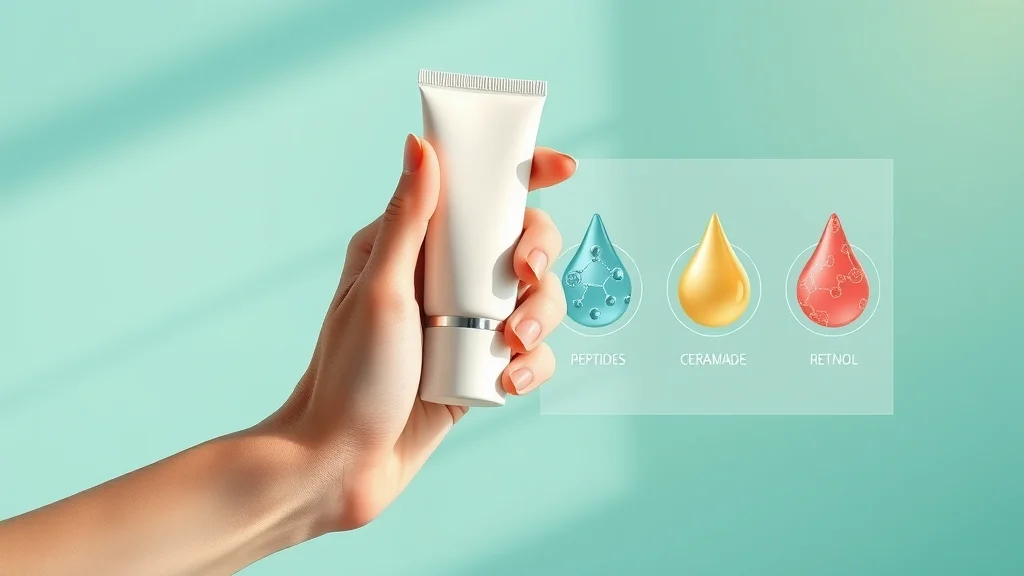
Infographic highlighting four skincare actives—peptides, antioxidants, ceramides, retinol—for decoding ingredients

While there are many so-called “miracle ingredients” found in skincare products, research overwhelmingly supports four actives: peptides (for firming and smoothing), antioxidants like Vitamin C (for fighting radical damage), ceramides (for restoring the natural barrier), and retinol (for boosting cell turnover). Products containing these—listed clearly on the ingredient list—have been shown to visibly reduce fine lines, improve elasticity, and even out skin tone for all skin types.

What is the toxic ingredients checker?

Explanation of online and app-based tools that scrutinize cosmetic ingredient lists for potential toxins.

A toxic ingredient checker is typically an online or smartphone tool designed to identify potentially harmful additives, allergens, or known irritants—like parabens, certain fragrances, sodium benzoate, or potassium sorbate—present in skincare labels. These platforms scan the ingredient lists of care products and flag anything linked to allergic reactions, hormone disruption, or conditions like breast cancer. It’s an invaluable resource if you want to make informed decisions about what to avoid and ensure the safety of your daily skincare routine.

What is the 1% rule in skincare?

An overview of the 1% rule found on skincare labels and how it affects ingredient list transparency.

The 1% rule means that any ingredient making up less than 1% of a skincare formula can be listed in any order after all the ingredients above the 1% threshold. This rule impacts ingredient list transparency because it means active compounds critical to a product’s efficacy—such as certain peptides or botanical extracts—might be present in minimal, less-effective concentrations but still featured prominently in marketing. That’s why decoding ingredients and assessing their position in the skincare labels is so important for savvy buyers.

How to read an ingredient list?

Step-by-step guide for consumers to decode skincare products using ingredient lists.

Start by identifying active ingredients that are proven to make a difference for your skin type. Check if ingredients like peptides, antioxidants, and ceramides are listed early—signifying higher concentration. Beware of buzzwords and proprietary blends that don’t clarify actual composition. Watch for synthetic preservatives or known allergens and check if fragrance is present late in the list (a good sign for sensitive skin). Apps and online toxic ingredient checkers can add an extra layer of safety for those with heightened sensitivities.

Video Explainer: Watch as skincare experts walk you through real product bottles, highlight key ingredients, and demonstrate how animated molecules represent the actives your skin needs most—all designed to simplify decoding ingredients for a clearer, healthier routine.

Lists: The Most Sought-After Active Ingredients in Skin Care

  • Peptides
  • Vitamin C (Antioxidant)
  • Ceramides
  • Retinol
  • Niacinamide

Collage of top active skin care ingredients: peptides, Vitamin C, ceramides, retinol, niacinamide for ingredient decoding

FAQs on Decoding Ingredients in Skincare Products

  • What do active ingredients do in skincare products?

    Active ingredients like peptides, antioxidants, and ceramides target specific skin concerns, such as smoothing fine lines, protecting against radical damage, or restoring the skin’s natural barrier. By understanding their function, you can choose more effective care products for your skin type and goals.

  • Are all cosmetic ingredients safe?

    Not all cosmetic ingredients are equally safe for everyone. Individuals with sensitive skin or particular allergies should pay close attention to ingredient lists to avoid known irritants, allergens, or controversial preservatives like sodium benzoate and potassium sorbate. Informed decisions lead to safer and more personalized routines.

  • How can I spot effective care products from their ingredient lists?

    Look for proven actives high up in the list, minimal fillers, and transparency in labeling. Genuine formulations will prioritize peptides, antioxidants, ceramides, and other evidence-based actives by concentration, rather than hiding them in the fine print or behind misleading marketing names.

Key Takeaways: Mastering Decoding Ingredients for Healthier Skin

  • Decoding ingredients is vital for effective skin care decisions
  • Understand skincare labels and ingredient lists for product efficacy
  • Peptides, antioxidants, and ceramides are essential active ingredients
  • Consult care labels and avoid questionable cosmetic ingredients
Confident skincare user decoding ingredient list on product label, symbolizing health and knowledge

Ready to Choose Smarter? Download Our Free Ingredient Decoding Guide!

Take charge of your skin care decisions today—download our free ingredient decoding guide! Discover at-a-glance charts, comparison tables of actives (peptides, antioxidants, ceramides), and expert tips for reading skincare labels. Get personalized advice and build your own kit tailored to your skin type—because smarter choices start with knowledge. Download now to start decoding ingredients and transform your skin care routine!


Skin Health & Dermatology

Write A Comment

*
*
Related Posts All Posts

How to Solve Natural Skin Rejuvenation Without Harsh Chemicals

Did you know that up to 60% of topical chemical skincare ingredients can be absorbed into your bloodstream? This surprising fact highlights how much of what you put on your skin can impact your overall health. With the beauty industry overflowing with products promising miraculous changes, many contain harsh chemicals that may do more harm than good over the long term. If you’re searching for a safer, more natural path to radiant, youthful skin, you’re not alone. In this comprehensive guide, we’ll unravel the science and strategies behind natural skin rejuvenation—the chemical-free way to nourish your skin and bring forth its natural glow.Unveiling the Truth: Surprising Facts About Natural Skin Rejuvenation“Did you know that up to 60% of topical chemical skincare ingredients can be absorbed into your bloodstream?”Natural skin rejuvenation isn't just a trend—it's a science-backed approach that harnesses your skin's intrinsic ability to restore and repair itself. Unlike many chemical-laden skincare products that may promise instant results but often irritate or disrupt the natural processes of healthy skin, natural rejuvenation nurtures the vital building blocks like collagen and elastin. Research shows that botanical extracts and whole-food-based ingredients not only support skin cell health but may actually improve skin texture, reduce fine lines and sun damage, and stimulate collagen production without any invasive procedures. Remarkably, the shift to natural ingredients is driven not only by wellness enthusiasts but also dermatologists recognizing the long-term benefits and lower risk factor of natural skin care. With the right knowledge and care routine, you can truly rejuvenate your skin while avoiding harsh chemicals and their hidden effects. What You'll Learn About Natural Skin RejuvenationThe science behind natural skin rejuvenationTop natural ingredients and their benefitsHow to develop a natural care routine to rejuvenate your skinCommon myths and facts about skin rejuvenationExpert tips for maintaining youthful, healthy skinUnderstanding Natural Skin Rejuvenation: Key ConceptsWhat is Natural Skin Rejuvenation?Natural skin rejuvenation refers to the practice of restoring, refreshing, and maintaining the look and feel of your skin using plant-based, nutrient-rich, and minimally processed substances—without relying on synthetic compounds or harsh chemicals. This method works in synergy with your body’s own healing process, targeting the root cause of skin concerns such as dryness, rough skin texture, fine lines, and sun damage. Unlike traditional chemical-laden skincare products which may disrupt the delicate balance of your skin barrier, a natural skin rejuvenation approach supports healthy skin by providing it with safe fatty acids, vitamins, enzymes, and antioxidants that aid in skin cell renewal and enhance your skin’s resilience. By working with your skin type and individual needs, this approach helps stimulate collagen production naturally and empowers you to rejuvenate your skin gently but effectively. The Science of Skin Aging and Signs of AgingTo truly understand skin rejuvenation, it’s vital to know how your skin ages in the first place. Over time, factors like UV rays, pollution, stress, and poor nutrition contribute to a gradual breakdown of collagen and elastin, the proteins responsible for firm, youthful-looking skin. Signs of aging, such as fine lines, wrinkles, uneven skin texture, and hyperpigmentation, become more noticeable as collagen production slows and the skin’s natural healing ability declines. Natural skin rejuvenation techniques focus not on masking signs of aging, but on activating the body’s natural healing and regeneration processes. This could mean using antioxidant-rich foods, herbal extracts, or topical agents—like aloe vera, which is proven to soothe, hydrate, and stimulate collagen production. With consistent natural care, you can target these signs of aging and see significant improvement, even without an invasive procedure.Common Skin Conditions Addressed by Natural RejuvenationNatural approaches effectively address a range of skin conditions, including dryness, acne, and inflammation. By harnessing the power of holistic, botanical ingredients, these methods work in harmony with your skin to promote healing and restore balance. For example, those struggling with chronic dryness can benefit from natural oils and plant-based moisturizers rich in fatty acids, while acne sufferers may see a reduction in breakouts by using antimicrobial herbs and non-comedogenic natural products. Ingredients like aloe vera, green tea extract, and calendula are known for their soothing and healing effects, helping you overcome sensitive skin without causing harsh side effects. Ultimately, natural skin rejuvenation empowers you to improve your skin and manage a variety of concerns using time-tested and gentle strategies.Why Choose Natural Skin Rejuvenation Over Harsh Chemical Treatments?Risks Linked to Chemical Skincare ProductsConventional skincare products often promise quick fixes, but many come loaded with harsh chemicals such as parabens, phthalates, synthetic fragrances, and alcohols. While they may deliver instant results, these compounds can disrupt your skin barrier, increase sensitivity, and even introduce toxins into your body, especially with long-term use. In some cases, chemical treatments lead to increased chances of allergic reactions, irritation, and worsening of existing skin conditions. More alarmingly, routine exposure to these chemicals, which can absorb into your bloodstream, poses unknown risks to your systemic health. In contrast, natural skin rejuvenation offers a low-risk, skin-friendly alternative that prioritizes ongoing skin health and the body’s own healing process—making it an excellent choice for those seeking radiant skin without the compromise. Benefits of Natural Healing and Natural RejuvenationChoosing a natural healing pathway for skin rejuvenation delivers distinctive benefits. Natural ingredients like aloe vera, plant oils, and herbal extracts are loaded with vitamins, antioxidants, and essential fatty acids that nourish deeply and protect your skin from environmental stressors such as UV rays and pollution. This approach encourages gradual, yet enduring improvements by restoring the skin’s vitality and elasticity, all while minimizing side effects. Unlike invasive procedures or quick-fix chemical peels, natural rejuvenation gently stimulates collagen and skin cell turnover, leading to more resilient, smoother, and luminous skin over time. By supporting your skin’s innate functions, you are investing in long-lasting results and a healthier, more confident you.Essential Ingredients for Natural Skin RejuvenationAloe Vera: Nature’s Miracle for Natural Skin HealthAloe vera stands out as one of the most celebrated ingredients for natural skin rejuvenation. Known for its exceptional hydrating and soothing properties, aloe vera is rich in vitamins A, C, and E, which help protect against free radical damage and promote the healing process of damaged skin cells. Studies indicate that aloe vera stimulates collagen and elastin production, reducing the appearance of fine lines and enhancing the overall integrity of your skin. Best of all, its gel-like consistency provides a gentle barrier that locks in moisture, calms inflammation, and supports the healing of minor wounds, sun damage, and hyperpigmentation. By incorporating aloe vera into your daily care routine, you can rejuvenate your skin naturally and safely, without relying on harsh chemicals or synthetic additives.Antioxidant-Rich Foods and Topical AgentsA diet and regimen rich in antioxidants is a cornerstone of healthy skin. Consuming and applying natural ingredients—such as green tea, berries, olive oil, and vitamin C serums—can effectively neutralize free radicals that damage skin cells and accelerate aging. Topical use of antioxidants like vitamin E and C, both found in natural skin rejuvenation formulas, addresses skin concerns such as spots, fine lines, and uneven skin tone. Certain superfoods, such as avocado and pomegranate, nourish your skin with fatty acids and phytonutrients, enhancing skin barrier function and supporting natural healing. When combined, these natural ingredients offer a powerful and holistic approach to not only defend but actively rejuvenate your skin from daily environmental stressors.Embracing Herbal Extracts in Your Care RoutineHerbal extracts have played a vital role in skin care for centuries, thanks to their potent anti-inflammatory, antimicrobial, and regenerative properties. Ingredients like calendula, chamomile, rosehip, and licorice root are particularly esteemed for calming sensitive skin, easing redness, and supporting an even skin tone. Integrating these herbs into your natural skin rejuvenation routine allows you to harness gentle yet effective healing powers—an approach especially suited for those with reactive or aging skin. Many of these botanicals not only soothe existing irritation but help stimulate collagen production and reinforce the skin’s natural defenses. By embracing a diverse range of herbal extracts alongside staple botanicals like aloe vera—and tailoring choices to your unique skin type and condition—you create a more resilient, glowing complexion through safe, sustainable means.Natural Skin Rejuvenation: Steps to Rejuvenate Your Skin Without ChemicalsAssess your current skin condition: Observe your skin type (oily, dry, combination, or sensitive), note visible concerns like fine lines, acne, or dark spots, and identify any triggers contributing to your skin’s state, such as stress or sun damage.Develop a personalized natural skin rejuvenation care routine: Choose products and home remedies free of synthetic chemicals, focusing on cleansers, moisturizers, and masks with natural ingredients that suit your unique needs.Incorporate gentle exfoliation and facial massage: Use mild scrubs (such as oatmeal or fruit enzyme exfoliators) and regular facial massages to encourage circulation, improve skin texture, and aid the healing process, all while avoiding harsh abrasives.Hydrate and nourish with natural moisturizers: Select plant-based oils (like jojoba, argan, or rosehip) and natural gels such as aloe vera to keep your skin supple, balance natural oils, and protect against dryness.Protect your skin from environmental stressors: Wear natural sun protection, avoid prolonged exposure to UV rays, and minimize contact with pollution—all of which help prevent damage and maintain your skin’s youthful glow. How to Build an Effective Natural Skin Care RoutineMorning and Evening Steps for Natural RejuvenationCreating a daily care routine is the backbone of natural skin rejuvenation. In the morning, begin with a gentle plant-based cleanser to remove impurities while balancing natural oils. Follow up with a hydrating toner containing herbal extracts like chamomile or rosewater to prep and soothe your skin. Next, apply an antioxidant serum—think vitamin C—for defending against free radicals and stimulating collagen production. Seal in moisture with a botanical-based moisturizer (such as one containing aloe vera), and always finish with a mineral-based SPF to protect your skin from UV rays and sun damage. At night, focus on deeper nourishment: cleanse to remove daily buildup, use a mild exfoliant two to three times a week, and treat with a rich night serum or oil to support overnight repair. Consistently following this regimen not only addresses existing skin concerns but helps maintain a naturally rejuvenated, resilient complexion.Choosing the Right Natural Skincare ProductsWith an abundance of products on the market, it’s important to select natural skincare items that align with your skin type and condition. Look for clean formulations free of synthetic fragrances, sulfates, or parabens, and packed with recognizable plant-based ingredients like aloe vera, green tea, shea butter, and squalane. Reading ingredient labels carefully ensures you avoid hidden irritants and maximize the benefits of natural healing. Pay attention to product certifications, customer reviews, and your skin’s response—starting with patch tests is prudent if you’re trying a new product. By choosing natural skincare products tailored to your unique needs, you simplify your care routine and cultivate healthy skin without compromise, paving the way for genuine, long-term rejuvenation. Addressing Specific Skin Conditions with Natural SolutionsManaging Dryness, Acne, and HyperpigmentationWhether you’re struggling with dryness, acne, or stubborn hyperpigmentation, natural skin rejuvenation provides gentle, effective options. For dry skin, select deeply hydrating oils like argan and rosehip, or balms infused with calendula and shea butter, all rich in fatty acids and vitamins. Acne-prone skin responds well to non-pore-clogging oils, herbal infusions (such as tea tree or lavender), and products with soothing aloe vera gel, all of which fight inflammation and bacteria without causing irritation. If you’re facing uneven skin tone and discoloration, topical agents containing vitamin C, turmeric, or licorice root can help lighten spots by naturally brightening and supporting even skin texture. The advantage of these methods is their low-risk, sustainable improvement—helping you manage your skin condition while supporting overall skin health and the natural healing process.Natural Approaches for Sensitive and Aging SkinSensitive and aging skin requires an extra dose of care—one that soothes, repairs, and protects without causing harm. Choose fragrance-free, herbal-based products and avoid abrasive exfoliants. Key ingredients such as centella asiatica, oat extract, and chamomile offer gentle anti-inflammatory and healing action, while natural oils strengthen the moisture barrier and combat dryness. For those looking to diminish signs of aging, focus on ingredients known to stimulate collagen production and defend against free radicals: vitamin E, squalane, and plant peptides all work synergistically to reduce fine lines and improve elasticity. With patience and consistent nurturing, these natural solutions can help you reclaim vibrant, youthful skin and manage sensitivities the holistic way.Myths & Facts: Natural Skin Rejuvenation vs. Traditional MethodsMyth/FactNatural Skin RejuvenationTraditional Chemical MethodsLongevity of ResultsLong-lasting with ongoing routineQuick but short-termEffect on Sensitive SkinGentle, reduces irritationProne to cause reactionsRisk LevelLow, minimal side effectsHigher risk, harsh side effectsExpert Quotes on Achieving Natural Skin Rejuvenation"Natural skin rejuvenation harnesses the power of botanicals and holistic care to nurture your skin without compromising health." — Dr. Priya Menon, Dermatologist People Also Ask: Questions on Natural Skin RejuvenationIs it possible to rejuvenate skin naturally?Answer:Absolutely, you can rejuvenate your skin naturally by leveraging nutrition, lifestyle choices, and topical products packed with plant-based ingredients. By adopting habits like eating antioxidant-rich foods, practicing a consistent natural care routine, and protecting your skin from environmental stressors, you can stimulate collagen production and encourage natural healing without resorting to harsh chemical treatments. While progress takes dedication and time, the outcomes are long-lasting, personally tailored, and generally devoid of undesirable side effects.Why is Korean skin so flawless?Answer:Korean skin is often admired for its clear, radiant quality—a result of cultural emphasis on holistic skincare, gentle routines, and prevention rather than aggressive intervention. Korean beauty regimens generally prioritize hydration, layering lightweight natural products, and incorporating rich botanicals like ginseng and green tea. Plus, a focus on sun protection, diligent removal of impurities, and balancing the skin barrier all play significant roles, making Korean-inspired natural skincare routines especially effective for achieving and maintaining healthy skin.How can I look 10 years younger naturally?Answer:Looking younger naturally is achievable through a multipronged approach: hydrate well, consume fresh foods loaded with antioxidants, follow a gentle daily skin care routine with products that enhance collagen production, and ensure adequate sun protection. Facial massage, regular exercise, and stress management also support vibrant, firm-looking skin. By focusing on whole-body wellness and natural rejuvenation methods, you can significantly improve skin elasticity, radiance, and reduce the visible signs of aging.Can you reverse skin aging naturally?Answer:While you can’t literally turn back the biological clock, you can greatly diminish the visible signs of aging with consistent natural care. Strategies include the use of herbal antioxidants, daily hydration, sun protection, and routine exfoliation. These practices help stimulate collagen and elastin, improve skin cell turnover, and reduce the impact of sun damage and free radicals—all essential steps in regenerating your skin’s youthful appearance in a safe, sustainable way.Best Practices: Key Takeaways for Natural Skin RejuvenationAdopt a consistent care routine with natural ingredientsAvoid harsh chemicals and synthetic additivesStay hydrated and eat antioxidant-rich foodsProtect your skin from sun and pollutionFrequently Asked Questions About Natural Skin RejuvenationWhat lifestyle changes support natural skin rejuvenation? Adopting a clean diet, managing stress, getting enough sleep, and avoiding smoking enhance skin health naturally.How long does it take to see results from a natural routine? Typically, results begin to show within 4 to 8 weeks with consistent natural care, though this can vary by individual skin type and condition.Can natural rejuvenation help with chronic skin conditions? Yes, many people report significant improvement in chronic conditions like eczema, acne, and rosacea through consistent use of gentle, plant-based skincare products that support natural healing.Conclusion: Achieving Radiant Skin with Natural Skin RejuvenationReady to transform your skin and embrace natural rejuvenation? Explore our recommended routines and start your journey to healthier, glowing skin today.

Fix Your Laser Skin Resurfacing Issues in 24 Hours or Less

Imagine this: Over 650,000 laser skin resurfacing treatments are performed each year in the U.S., and while satisfaction rates soar above 80%, one-third of patients face preventable side effects or complications. If you’re considering laser resurfacing—or recovering from a procedure—learning how to resolve issues fast can make the difference between flawless skin and a drawn-out recovery. This guide reveals proven methods to get your laser resurfacing results back on track in the next 24 hours, so you can restore your confidence quickly and safely.Laser Skin Resurfacing: Surprising Statistics and Unconventional Facts"Did you know over 650,000 laser skin resurfacing treatments are performed yearly in the U.S. alone, with satisfaction rates soaring above 80%? Yet, nearly one-third face preventable complications." — American Academy of DermatologyUnderstanding the Laser Skin Resurfacing BoomThe popularity of laser skin resurfacing has exploded in recent years, offering solutions for everything from acne scars to fine lines. Advances like fractional lasers and specialized options for darker skin tones have made this treatment accessible for more people than ever. Despite its effectiveness, many patients still face challenges such as side effects, recovery time, or confusion about which type of laser is best for them. This surge in demand highlights the importance of understanding both the benefits and potential pitfalls of laser skin resurfacing treatments, so you can make decisions with confidence and get back to glowing skin faster.With dermatologists now offering a wide range of laser treatments, including CO2 lasers, erbium laser resurfacing, and non-ablative lasers, today’s patients are empowered to target skin tone issues, sun damage, or even early signs of skin cancer. But with the wrong approach, what starts as a quest for clearer skin can result in redness, hyperpigmentation, or even an extended healing process. This guide will help you separate fact from fiction, and show you how to fix issues as quickly and effectively as possible.What You'll Learn About Laser Skin Resurfacing SolutionsCommon laser resurfacing issues and how to address them quicklyComparisons between ablative laser and non-ablative laser treatmentsSteps to minimize side effects and downtimeHow to maximize procedure longevity and resultsDefining Laser Skin Resurfacing and Laser Resurfacing TechniquesWhat Is Laser Skin Resurfacing?Laser skin resurfacing is an advanced cosmetic procedure that uses focused beams of light to remove the outer layer of skin or stimulate collagen production in underlying layers. By targeting the skin's surface or deeper tissue, this treatment can dramatically reduce fine lines, sun damage, acne scars, pigmentation issues, and texture irregularities. The laser energy encourages the growth of new, healthier skin, leading to a smoother and more even complexion.There are various types of lasers used in skin resurfacing, including ablative lasers that physically remove layers of skin, and non-ablative lasers that heat up underlying tissue without damaging the surface. The selection often depends on skin type, desired results, and the issue being treated. Many patients are surprised to learn that different skin tones—and especially darker skin—require specialized expertise to ensure safety and avoid complications like hyperpigmentation. By understanding what laser skin resurfacing involves, you can better prepare for the recovery period and optimize your results, whether you’re targeting deep wrinkles, scars, or overall skin rejuvenation.Different Types of Laser Resurfacing: Ablative Laser, Non-Ablative, and Fractional LasersBefore committing to laser skin resurfacing, it’s essential to recognize the main categories of treatments available. Ablative lasers (like CO2 and erbium laser resurfacing) remove the topmost layers of skin and are particularly effective for significant texture or scar concerns. These procedures tend to involve longer recovery times but deliver dramatic results. In contrast, non-ablative lasers work by heating deeper skin tissue without removing the outer surface, resulting in fewer side effects and minimal downtime. Ideal for younger patients or those seeking a subtle refresh, non-ablative options can target concerns such as mild wrinkles or uneven skin tone without significant peeling or redness. Recently, fractional lasers bridge these approaches by treating only a fraction of the skin at each session, promoting quicker healing and fewer risks—especially important for darker skin tones or sensitive skin.When comparing these options, factors such as skin type, area being treated, and expected results guide your dermatologist’s recommendation. It’s crucial to discuss your goals and medical history in detail so your provider can tailor the safest, most effective approach for long-lasting improvement with minimal side effects.Comparing Ablative, Non-Ablative, and Fractional Laser Skin ResurfacingTypeMain BenefitDowntimeRisks/Side EffectsBest ForAblative Lasers (CO2, Erbium)Deep resurfacing, dramatic results7–14 daysRedness, swelling, infection risk, pigment changesDeep wrinkles, scars, sun damageNon-Ablative Lasers (Nd:YAG, Pulsed light)Minimal surface damage, stimulates collagen0–3 daysMild redness, temporary swellingFine lines, mild pigment, younger skinFractional LasersBalanced results, treats “fractions” of the skin3–7 daysLess risk, quicker healing, patchy rednessMild–moderate aging, sensitive/darker skinIdentifying and Addressing Common Laser Skin Resurfacing IssuesImmediate Side Effects: What to ExpectAfter undergoing laser skin resurfacing, immediate side effects like redness, swelling, and mild discomfort are to be expected. These are normal healing responses as the outer layer of the skin regenerates. The treated area may feel sunburned or tight and might even ooze for a day or two, especially after ablative laser sessions. For most patients, these symptoms peak within the first 24–48 hours and then gradually subside.It’s important to differentiate between standard side effects and warning signs of complications. Swelling should be manageable with ice packs, and any discomfort usually responds well to over-the-counter pain relievers (unless your provider instructs otherwise). Keep in mind, individuals with darker skin tones or sensitive skin may notice more pronounced redness or patchiness, but daily improvements should be seen. If you experience severe pain, pus, fever, or rapidly spreading redness, it’s time to contact your dermatologist. Early intervention prevents further issues and ensures your laser skin resurfacing delivers its promise of rejuvenation, rather than regret.Laser Treatment Complications and SolutionsRedness and Inflammation: Use cold compresses, gentle moisturizers, and avoid irritating products.Hyperpigmentation Risks for Darker Skin: Apply brightening serums under dermatologist supervision, and always use high-SPF sunscreen.Delayed Healing: Stay hydrated, avoid picking at peeling skin, and consider extra rest for optimal immune response.Infection Prevention: Keep the area clean, use prescribed topical antibiotics if recommended, and monitor for warmth, pus, or fever.Proactively managing these issues helps you avoid scarring, extended redness, or uneven results—especially crucial for those with darker skin tones or prior acne scar history.How to Fix Laser Skin Resurfacing Issues in 24 HoursStep-by-Step Recovery TimelineFirst hour: Cooling and cleansingImmediately after your laser procedure, gently cleanse the treated area with lukewarm water and a mild, fragrance-free cleanser. Apply a cool compress to minimize swelling and reduce discomfort, especially if you’ve had an ablative laser or intense fractional laser session. Avoid rubbing or using abrasive towels, as the fresh skin is highly sensitive.First 6 hours: Managing discomfort and swellingContinue using cold packs in 10-minute intervals as needed. Elevate your head to diminish facial swelling. Take prescribed pain relievers or over-the-counter medications under your doctor’s guidance. Watch closely for any excessive heat, redness, or unusual sensations in the treated area, an indicator that additional care might be needed.12–24 hours: Moisturizing and protecting your skinGently pat dry and apply an emollient (like Aquaphor or a fragrance-free healing ointment). Reapply frequently to prevent dryness or cracking. Avoid all sun exposure and keep your skin covered if you must go outside. Begin using recommended antibiotic ointments or prescribed treatments if instructed by your dermatologist to prevent infection and improve healing."Most laser resurfacing issues can be improved dramatically within the first 24 hours if the right steps are taken." — Dr. Alexis Carter, DermatologistWatch a board-certified dermatologist provide real-life recovery advice after laser skin resurfacing, including demonstrations of gentle home care, tips on moisturizer selection, and the right way to apply cold compresses for best results.Proven At-Home Care for Laser Skin Resurfacing RecoveryMedications and Topicals to UseAfter laser skin resurfacing, choosing the correct post-procedure products can mean the difference between a smooth recovery and lingering side effects. Experts recommend gentle, hydrating creams containing hyaluronic acid, ceramides, or petrolatum to maintain moisture. For discomfort or inflammation, over-the-counter pain relievers and anti-inflammatory agents, such as ibuprofen, are safe (but always check with your provider). If prescribed, use topical antibiotics to ward off infection, especially after ablative treatments that remove the outer layer of the skin.Sun protection is non-negotiable: use a mineral-based SPF 30 or higher, even if indoors, as treated skin is extremely photosensitive. Avoid retinol, exfoliants, or acne medications until cleared by your dermatologist to prevent irritation. For those prone to hyperpigmentation (especially with darker skin tones), azelaic acid or vitamin C serums may be incorporated, but only on a doctor’s recommendation. The right at-home care regimen speeds up healing, minimizes risks, and ensures clearer, healthier skin.When to Seek Professional HelpSigns of infection or allergic reactions: If you notice pus, spreading redness, severe swelling, or a sudden rash, contact your provider immediately. These may indicate a bacterial infection or sensitivity to topical products.Persistent discoloration or texture changes: Temporary redness and sensitivity are typical, but if you see new dark patches (especially on darker skin), white spots, scarring, or thickened tissue, consult a dermatologist. Early intervention prevents permanent changes and can restore your skin’s tone and texture.How Laser Skin Resurfacing Affects Different Skin TypesUnderstanding Risks for Darker Skin TypesFor patients with darker skin tones, laser skin resurfacing presents unique benefits and risks. Modern fractional lasers and certain non-ablative devices have made treatment safer for Fitzpatrick skin types IV–VI. However, the risk of hyperpigmentation or hypopigmentation is higher than for those with lighter skin. Choosing a clinic with experience in treating darker skin is vital—proper pre-treatment assessment, conservative settings, and thorough aftercare all contribute to minimizing complications and maximizing results. With the right protocol, laser treatments can significantly improve acne scars, stretch marks, and discoloration without increasing the risk of long-term side effects for patients of color.Personalized Laser Treatment Plans for Sensitive SkinIf you have sensitive or reactive skin, laser skin resurfacing requires a personalized approach. Dermatologists may recommend patch testing, starting with milder laser types (like non-ablative or fractional lasers), or adjusting energy settings for a gentler effect. Hydration and barrier repair are essential both before and after treatment—moisturizers and non-comedogenic oils can speed up recovery and help maintain skin integrity. Inform your provider about skin allergies or chronic conditions (like eczema or rosacea) to ensure the safest, most tailored protocol. Personalized plans lower side effect risks and support predictable, healthy results even for sensitive complexions.Key Factors That Influence Laser Skin Resurfacing ResultsAge, Skin Type, and Health ConditionsYour age, skin type, and overall health have a significant impact on how your skin responds to laser resurfacing. Younger skin tends to heal faster and may require less aggressive treatments, while mature skin might benefit from ablative laser devices for deeper wrinkles or scars. Pre-existing conditions, such as acne scars or autoimmune disorders, influence your risk of side effects and affect healing. Additionally, medications (like blood thinners or isotretinoin) should be disclosed, as they can alter your recovery timeline and increase vulnerability to complications. A thorough assessment with your dermatologist ensures you choose the best laser procedure to suit your unique characteristics and medical history.Choosing the Right Laser Resurfacing OptionWith options ranging from traditional laser peels to cutting-edge fractional lasers, selecting the ideal technology depends on your goals, skin concerns, and downtime tolerance. Discuss with your provider whether you need CO2 laser resurfacing for deep wrinkles, erbium laser resurfacing for precision work, or a non-ablative laser for maintenance and preventative care. The latest YAG laser and pulsed light devices may offer fewer side effects and shorter recovery for mild to moderate issues. An expert consultation ensures you’ll receive a procedure with the right balance of efficacy, safety, and longevity.See dramatic before-and-after footage of real patients who’ve undergone laser skin resurfacing. Notice skin texture transformation, reduction in fine lines, and improved pigmentation—all captured with minimal makeup and natural lighting for honest, inspiring results.Laser Skin Resurfacing vs. Other Skin Resurfacing TreatmentsLaser Resurfacing vs. Chemical Peels and MicrodermabrasionFeatureLaser ResurfacingChemical PeelsMicrodermabrasionDowntime1–14 days (depends on type)1–7 daysNone–1 daySide Effect ProfileMore intense (redness, swelling, pigment changes)Temporary redness, peeling, mild irritationMild redness, low risk of side effectsLong-Term EffectivenessLasts months–years, dramatic resultsModerate, repeat treatments neededSubtle improvement, maintenance requiredDowntime differences: Lasers can demand significant recovery, especially ablative treatments, whereas peels and microdermabrasion are less intensive.Side effect profiles: Lasers carry a higher risk for redness, pigment issues, or scarring if not managed appropriately, but advances in technology and technique now offer safer experiences, particularly for darker skin tones.Long-term effectiveness: Laser resurfacing frequently surpasses other options for deep wrinkles, scars, and overall rejuvenation, making it a preferred choice for lasting results.People Also Ask: Laser Skin Resurfacing Questions AnsweredDoes laser skin resurfacing work?Yes, laser skin resurfacing is a highly effective procedure for improving fine lines, uneven skin tone, acne scars, sun spots, and other texture issues. Results vary based on the type of laser used and individual skin properties, but most patients see smoother, clearer, and more youthful skin after full healing. Deep wrinkles or long-standing scars might require several sessions, especially when treating darker skin types.How long does laser skin resurfacing last?Results from laser resurfacing are long-lasting—typically several months to even years, depending on your age, skin type, and how well you maintain your skin post-procedure. Good sun protection and regular use of appropriate topicals extend the longevity of your new skin surface. Deep ablative laser treatments can provide several years of improvement, while non-ablative or fractional treatments may require maintenance.Is laser skin resurfacing cost?The cost of laser skin resurfacing varies widely based on geographic location, physician expertise, type of laser, and size of the treated area. Typical prices range from $500 for smaller areas and non-ablative lasers to $3,000 or more for a full-face CO2 laser treatment. Always request a consultation to discuss your unique needs before making a decision.How painful is laser resurfacing?Pain levels depend on the type of laser used. Ablative lasers can be uncomfortable, requiring a local anesthetic or even mild sedation. Non-ablative and fractional lasers generally cause only minimal stinging or warmth—often described as a mild sunburn. Most discomfort subsides quickly, and proper aftercare further minimizes pain during the recovery process.Laser Skin Resurfacing Myths and FactsMyth: All laser treatments have long recovery times.Fact: Non-ablative lasers often have minimal downtime, and fractional lasers promote faster healing.Myth: Laser skin resurfacing is unsafe for darker skin types.Fact: Newer devices and expert technique can safely treat all skin tones—especially when tailored protocols are used.Key Takeaways for Fast Laser Skin Resurfacing SolutionsPrompt care within 24 hours is critical for optimal skin resurfacing recoveryChoosing the right laser and following aftercare ensures best outcomesConsult with a dermatologist for complex or persistent issuesFrequently Asked Questions About Laser Skin ResurfacingWhat are the best post-laser skin resurfacing products? Look for gentle, fragrance-free moisturizers, mineral-based sunscreens, and prescribed topical antibiotics to support healing.Can laser resurfacing make scars worse? In the hands of experienced professionals, no. But improper technique or poor aftercare can increase the risk of new scars—especially on sensitive or darker skin.Are results from laser skin resurfacing permanent? Results often last for months to years. Environmental factors and aging will gradually reintroduce signs of damage, so occasional touch-ups are advised.How soon can I wear makeup after a laser treatment? Wait until your provider confirms the skin barrier is healed—usually 7–10 days after ablative lasers, or 2–5 days after milder treatments.A trusted dermatologist breaks down the most common laser resurfacing concerns and offers practical advice, from product recommendations to avoiding complications, in a friendly, easy-to-follow video format.Summary: Regain Confidence with Laser Skin Resurfacing in 24 HoursBy understanding your options, preparing for potential side effects, and using proven aftercare solutions, you can restore your skin and your confidence—sometimes in less than a day.Take Action: Book Your Laser Skin Resurfacing Consultation Today for Safe and Fast ResultsReady to take the next step toward healthier, radiant skin? Connect with a board-certified dermatologist and experience safe, effective laser skin resurfacing—plus expert guidance to tackle any bumps in the road within 24 hours or less. Your best skin awaits.

Is Collagen Stimulation the Breakthrough You’ve Been Waiting For?

Did you know that after age 30, our bodies may lose up to 1% of their collagen supply each year? This gradual decline can visibly impact skin health, leading to fine lines, loss of volume, and diminished radiance. But what if you could actively stimulate collagen production and unlock your skin’s natural ability to look younger, firmer, and smoother? In this comprehensive guide, we dive deep into collagen stimulation, separating science from hype and exploring whether these innovative strategies truly represent the breakthrough for facial collagen you’ve been waiting for.Unveiling the Truth: Surprising Facts About Collagen Stimulation“Did you know that after age 30, individuals can lose up to 1% of their collagen supply per year? Discover how collagen stimulation could change the story for your skin health.” As we age, the human body naturally produces less collagen—a protein found inside connective tissues like skin, bones, and muscles. This decline not only leads skin to appear thinner and less elastic but can also make lines and wrinkles more pronounced. Collagen stimulation involves a range of techniques and products aimed at reversing these effects by encouraging new collagen growth within the treated area. Some solutions are as simple as lifestyle shifts and topical products, while others explore high-tech clinical advances like microneedling and laser treatments. This article pulls together the most surprising facts and science-based details about collagen stimulators, so you can make informed decisions about how to improve your skin.What You’ll Learn About Collagen StimulationThe science behind collagen stimulation and its role in skin healthComparing leading collagen stimulator methods and productsPractical ways to boost collagen production and fight volume lossExpert insights and the latest research on facial collagen treatmentsUnderstanding Collagen Stimulation: The Science Behind the BuzzWhat Is Collagen Stimulation and Why Does It Matter? Collagen stimulation refers to activating your body’s natural processes to increase the production of collagen—the vital protein that keeps skin plump, firm, and resilient. As collagen levels drop with age, skin loses its youthful volume and develops more fine lines and wrinkles. Stimulating new collagen growth, whether through natural methods or advanced skin treatments, offers a pathway to improve skin texture and help maintain a radiant complexion. Unlike traditional dermal fillers, which add volume directly, collagen stimulators encourage your own skin cells to work harder, potentially delivering longer-lasting and more natural-looking results for skin health.This surge in popularity for collagen stimulators isn’t just cosmetic—it’s anchored in cutting-edge skincare science. When collagen production increases, both facial collagen and dermal structure are reinforced, which not only minimizes the appearance of existing wrinkles, but can also help prevent new signs of aging. Whether you’re dealing with early volume loss or deep lines, understanding how to boosting collagen can be a game-changer in your personal skincare journey.The Connection Between Collagen Production, Aging, and Skin HealthOur body’s ability to stimulate collagen production changes as we age. Throughout youth, skin remains supple and smooth, thanks to abundant collagen and elastin—a dynamic duo crucial for elasticity and resilience. But as collagen levels decline, the skin loses volume, leading to deeper lines and diminished vibrancy. Factors like sun exposure, genetics, and lifestyle habits further amplify these changes. Clinical research shows that maintaining strong collagen production is key for long-term skin health, explaining why boosting collagen is now at the forefront of modern anti-aging strategies.Emerging collagen stimulation techniques and products aim to slow this inevitable decline. From topical solutions and dietary choices to in-office therapies, the opportunity to revitalize facial collagen is more accessible than ever. By taking steps to preserve and stimulate collagen, you can actively improve your appearance and overall skin resilience—even as the years pass.How Collagen Levels Decline Over TimeCollagen decline is gradual but relentless. By your 30s, the body’s ability to synthesize new collagen molecules slows, often by about 1% each year. This may seem subtle at first, but over time, the cumulative effects are unmistakable—skin loses density, volume loss becomes apparent, and lines deepen. Environmental stressors, repeated sun exposure, and even poor sleep or hydration habits can exacerbate these changes. Understanding this progression can motivate you to embrace proactive measures—like adopting a collagen stimulator or adjusting your daily routine—to support your skin’s natural repair processes. Knowing when and how to stimulate collagen is essential for counteracting these natural declines and unlocking more youthful, healthy skin.People Also Ask: What is collagen stimulation?Defining Collagen Stimulation: Facts and MythsCollagen stimulation is a process designed to prompt your body to make more collagen—usually with the goal of improving skin health, reducing fine lines, and restoring volume loss. Myths abound, with some believing any cream or supplement triggers instant results; the truth is more nuanced. Not all collagen products are true collagen stimulators. Effective stimulation typically comes from strategies that signal skin cells to produce more of this critical protein. Whether through natural means (like specific nutrients or targeted skincare) or through clinical procedures (such as microneedling, light therapy, or certain injectables), the core idea is to encourage fresh collagen production for lasting skin improvement.Fact: Collagen stimulators are not the same as traditional fillers. For instance, FDA-approved injectables like Sculptra act as a scaffolding beneath the skin, prompting collagen-producing cells into action. Meanwhile, natural methods focus on feeding skin cells with the nutrients and conditions they need to perform optimally. If you’re wondering what works and how safe or effective these different methods can be, the sections below will arm you with science-backed answers and practical tips for maximizing your collagen potential.Collagen Stimulation Methods: Natural vs. Clinical Solutions How to Stimulate Collagen Production NaturallyDiet and collagen supplementsLifestyle habits: hydration, sleep, exerciseProtection: sunscreen and skin care routinesNaturally stimulating collagen production is possible with strategic lifestyle choices. Eating a diet rich in vitamin C, protein, and antioxidants supports your body’s ability to synthesize collagen. Many also turn to collagen supplements, which may provide amino acids necessary for rebuilding collagen fibers. Proper hydration ensures skin cells remain plump and functional; a consistent sleep schedule helps regulate skin repair, while regular exercise promotes healthy circulation and nutrient delivery to the skin. Sun protection is critical, as UV radiation is a leading cause of accelerated collagen breakdown. These natural approaches not only help maintain existing facial collagen but can also boost collagen for a smoother, firmer complexion over time, even as skin loses its youthful bounce with age.Integrating skincare routines packed with ingredients like retinoids or peptides can also encourage new collagen formation from the outside in. However, natural methods typically produce subtle, incremental improvements—ideal for preventative care or as a supplement to more intensive collagen stimulator procedures.Minimally Invasive Procedures for Collagen StimulationMicroneedling (collagen induction therapy)Laser treatments and light therapyRadiofrequencyFor those seeking more dramatic changes, minimally invasive treatments offer faster and more noticeable boosts in collagen stimulation. Microneedling, also known as collagen induction therapy, uses a device with fine needles to create tiny punctures in the skin, triggering a robust healing response that accelerates new collagen production. Laser treatments and light therapy deeply penetrate the skin to heat underlying tissues, stimulating collagen fibers and tightening the skin from within. Each approach can yield visible improvement in smoothness, firmness, and volume retention within the treated area, often with minimal downtime. Radiofrequency devices use electromagnetic waves to heat the inner layers of the skin, resulting in subtle yet effective collagen induction over time. While risks and side effects are typically minor—such as temporary redness or swelling—proper consultation and care are crucial. These technologies have quickly become a favorite for people seeking a balance between safety, minimal recovery, and significant outcomes in improving skin texture and firmness, helping to address both fine lines and deeper volume loss.Collagen Stimulators: Injectables and Advanced TechnologiesFDA-approved fillers (e.g., Sculptra)Comparison of collagen stimulator productsA new generation of collagen stimulators has entered the scene, with injectables like Sculptra leading the way. Unlike traditional dermal filler treatments that physically add volume, collagen stimulating injectables work by initiating the body’s collagen production process at a cellular level. When injected into the treated area, these products act as a scaffold, signaling skin cells to generate new collagen over weeks or months. As a result, improvements appear gradually and typically last longer than conventional fillers.Advanced devices, including ultrasound and laser-based systems, offer noninvasive to minimally invasive options that can also effectively stimulate collagen production. These technologies boast low risk of side effects and minimal downtime, making them increasingly popular choices for individuals seeking to combat age-related collagen loss and fine lines without surgery. The key is matching the right technology to your unique skin needs for optimal facial collagen restoration.People Also Ask: What is the best thing to stimulate collagen?Expert-Recommended Ways to Stimulate Collagen ProductionDermatologists and experts agree that the most effective approach to boost collagen is a combination of techniques—integrating both lifestyle and clinical solutions. Vitamin C intake (through diet and skincare products), regular sun protection, and a balanced diet rich in amino acids are all proven to support natural collagen production. Clinical procedures like microneedling, light therapy, and FDA-approved injectables deliver more significant results for those dealing with established signs of aging or advanced volume loss.Choosing the right strategy often requires assessing your age, skin type, primary concerns (lines, wrinkles, sagging), and personal tolerance for recovery or side effect risk. Experts recommend starting with less invasive methods when possible, using clinical technologies as needed to maintain or restore your skin’s youthful structure. Consistency is key—regular exposure to supportive ingredients and repeated professional treatments, where appropriate, provide the best outcomes for anyone seeking to improve skin health by stimulating collagen.Collagen Production & Collagen Stimulation: How the Process WorksCellular Mechanisms: Collagen Synthesis and Repair At the cellular level, the process of collagen synthesis is complex but fundamental to skin vitality. Fibroblast cells play a starring role, producing collagen strands that knit together to form the supportive mesh beneath the skin’s surface. Injuries, microtrauma (such as from microneedling), or exposure to particular wavelengths of laser or light therapy signal fibroblasts to ramp up production. During repair, new collagen and elastin fibers entwine, reinforcing the dermal structure and helping to correct the visible signs of aging—including fine lines, wrinkles, and volume loss.The process relies on an adequate supply of amino acids, vitamin C, and other nutrients, which is why proper skincare and a balanced diet are critical for supporting this regeneration. Scientific visualization confirms that consistent stimulation—be it physical, nutritional, or technological—results in denser, stronger facial collagen and improved skin elasticity, ultimately revitalizing areas where skin loses its firmness or develops fine lines.The Role of Hyaluronic Acid, Lactic Acid, and Skin NutritionNo discussion of collagen stimulation would be complete without mentioning hyaluronic acid and lactic acid. Both play crucial supporting roles—hyaluronic acid hydrates and plumps, allowing newly produced collagen to integrate smoothly, while lactic acid gently exfoliates the outer layer, signaling skin cells to repair and renew. When combined with nutrient-rich skincare, these ingredients can supercharge the body’s collagen synthesis capabilities.Nutrition underpins the entire process. Amino acids from protein, vitamin C for enzyme support, and antioxidants from fruits and vegetables all contribute to a stronger collagen network. By optimizing inside-out nutrition and topical treatments with hyaluronic and lactic acid, the skin becomes primed for maximum repair and resilience—ensuring your investment in collagen stimulator procedures delivers lasting benefits.Collagen Stimulation Results: What to Expect for Facial Collagen and Skin QualityVisible Signs of Success: Reducing Fine Lines and Volume Loss The true advantages of collagen stimulation become clear when you see improvements first-hand: diminished fine lines, restored facial volume, and a healthier, more radiant complexion. While results vary depending on the chosen method, age, and individual skin characteristics, most people notice a difference in the treated area within several weeks to months of consistent stimulation.Crucially, collagen stimulators and natural methods not only address existing lines and wrinkles but also work as preventive tools—delaying the progression of aging as collagen levels naturally decrease. Proper use can create cumulative, long-term benefits, especially for individuals proactively seeking to boost collagen and maintain optimal skin health as they age.Comparing Outcomes: Before and After Collagen Stimulator ProceduresClinical before-and-after photos paint a compelling picture: subtle volume is restored in hollow areas, skin texture improves, and the overall facial contour appears more youthful. Unlike the instant but sometimes artificial look of traditional dermal fillers, collagen stimulator results emerge gradually, looking and feeling more natural. Commonly, treated patients report improvements not just in visible firmness and smoothness, but also in how their skin responds to environmental stressors, showing less sagging or crepey texture over time.Bear in mind that the best results are observed when patients follow a holistic regimen—balancing procedural treatments with proper skincare, nutrition, and lifestyle. Following expert recommendations for aftercare and maintaining a healthy daily routine maximizes and extends the benefits of newly stimulated collagen production.Side-by-Side Comparison: Natural Collagen Stimulation vs. Clinical ProceduresAspectNatural MethodsClinical ProceduresSpeed of ResultsSlow, gradual (months)Faster, visible within weeksLongevityContinuous with consistent habits6-24 months (varies by procedure)Downtime/Side EffectsMinimal to nonePossible swelling, redness, temporaryCostGenerally low (diet, skincare)Higher (clinic visits & treatments)SuitabilityAll skin types, preventativeBest for targeted aging concernsPeople Also Ask: What is the best collagen stimulating procedure?Evaluating Top Procedures to Stimulate CollagenThe “best” collagen stimulating procedure often depends on your individual goals and skin condition. Microneedling is widely acclaimed for its safety, accessibility, and proven results with minimal downtime. Laser treatments and light therapy are favored for their ability to treat deeper signs of aging and pigmentation, suitable for those seeking robust rejuvenation. FDA-approved injectables like Sculptra offer long-lasting improvement in facial collagen and can correct significant volume loss for appropriate candidates.Each method comes with a unique set of pros and cons, including differences in cost, expected downtime, risk of side effect, and suitability for specific skin types. Consulting with a board-certified dermatologist or aesthetic professional is essential to determine the option most likely to help you improve skin quality and achieve your aesthetic goals through targeted collagen stimulation.Product Spotlight: Do Collagen Supplements and Collagen Stimulators Deliver?Analysis of Popular Collagen Supplements Collagen supplements promise to support the body’s innate processes, but do they deliver? Studies suggest that high-quality collagen supplements—especially those enriched with vitamin C and hyaluronic acid—may modestly increase skin hydration, elasticity, and even help diminish wrinkles over time. However, not all products are created equal; pure hydrolyzed collagen tends to be absorbed better, while additives and fillers limit efficacy.Despite their growing popularity, supplements work best as part of a broader approach, complementing a healthy lifestyle, proper nutrition, and proven topical skincare. If you’re seeking more dramatic transformation, collagen stimulator procedures and clinical devices typically outperform supplements when it comes to restoring facial contours or correcting deep lines and volume loss.Collagen Supplement vs Collagen Stimulator: What’s More Effective?The answer depends on your expectations. If you’re looking for subtle improvements in hydration and prevention of premature aging, supplements offer a noninvasive, accessible step—especially when combined with sun protection and a skin-friendly diet. For reversing visible signs of aging and achieving a significant boost in collagen production, professional collagen stimulation (through microneedling, lasers, or injectables) has the edge. Most dermatologists recommend a comprehensive strategy—begin with foundation-building healthy habits, add supplements as desired, and consult an expert about in-office treatments for targeted rejuvenation.People Also Ask: Can you really stimulate collagen production?Scientific Evidence for Boosting Collagen Naturally and ClinicallyEvidence overwhelmingly shows it is possible to stimulate collagen production naturally and through clinical strategies. Peer-reviewed studies validate the effectiveness of various methods, with vitamin C, retinoids, and lactic acid-based skincare enhancing skin renewal, while professional interventions like laser, radiofrequency, or collagen-stimulating injectables demonstrate measurable densification of collagen fibers. Both approaches, when properly managed, deliver improvements in skin resilience, volume, and overall appearance.Yet, no miracle overnight fixes exist. Results take time and rely on consistency, careful selection of products or procedures, and expert oversight, especially for those considering more advanced options. The hard truth: sustained, science-driven stimulation is the surest route to durable skin health and meaningful anti-aging results.Lists: Key Ingredients and Habits That Improve Collagen StimulationVitamin C-rich foodsLactic acid-based productsProper hydrationConsistent sleep schedule Adding these simple practices and ingredients into your daily regimen can boost collagen production and maximize the skin’s ability to repair and rejuvenate naturally. These strategies harness both nutritional and topical routes, empowering you to reinforce the benefits of any collagen stimulator treatment you choose.FAQs on Collagen StimulationHow long does it take for collagen stimulation to show results?Most people notice initial results within 4 to 12 weeks, although some clinical procedures offer improvements even sooner. Natural methods often take longer but can offer sustainable changes if consistent.Are collagen stimulation procedures safe for all skin types?Most methods are suitable for a wide range of skin types. However, a personalized assessment with a skincare professional is important to minimize any potential side effects or complications, especially for sensitive skin.Can lifestyle factors influence collagen levels?Absolutely. Nutrition, sleep, hydration, stress levels, and sun exposure all impact your body’s ability to produce and maintain collagen. Positive habits directly support skin health and the outcomes of any collagen stimulation efforts.Key Takeaways: Making Informed Choices About Collagen StimulationUnderstanding the different collagen stimulation options is crucial for effective skin health management.Clinical procedures and natural methods each have distinct benefits and considerations.Consultation with a skincare professional is recommended before choosing a collagen stimulator approach.Final Thoughts: Is Collagen Stimulation the Breakthrough for You?“Collagen stimulation may hold the key to younger, healthier skin, but the right approach varies for each individual.” Every skin journey is unique, but with the right combination of collagen stimulation techniques, lasting radiance isn’t just a promise—it can be your reality.Ready to take the next step toward healthier, more radiant skin? Explore professional collagen stimulation options near you and start your transformation today.

Terms of Service

Privacy Policy

Core Modal Title

Sorry, no results found

You Might Find These Articles Interesting

T
Please Check Your Email
We Will Be Following Up Shortly
*
*
*